
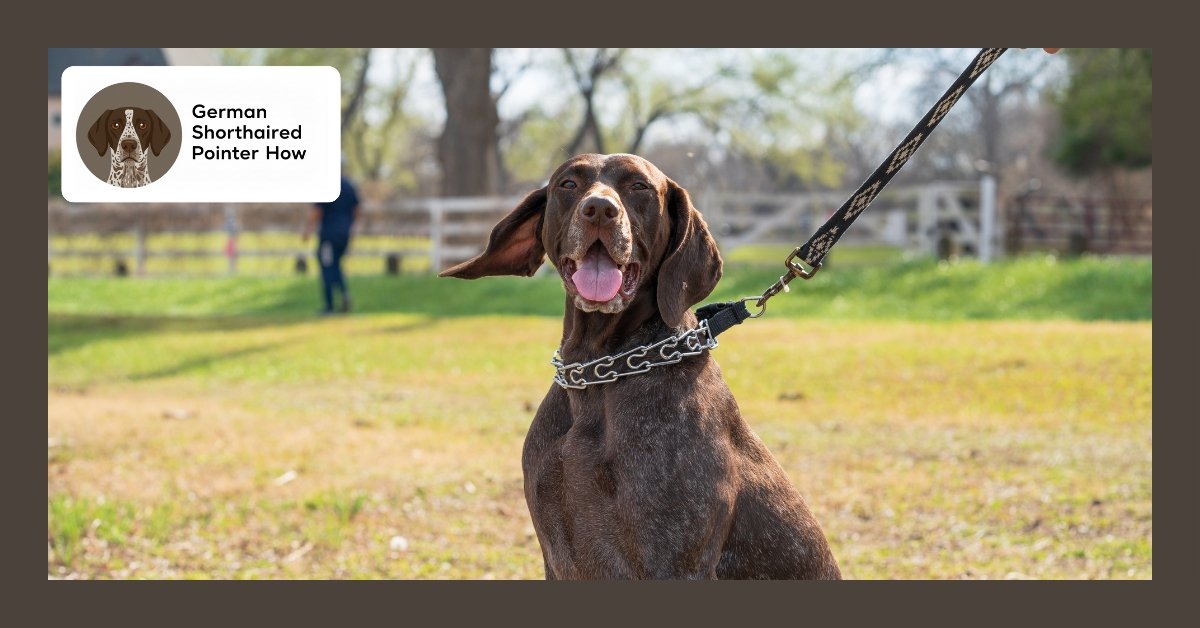
Did you know that starting your German Shorthaired Pointer (GSP) running too early could cause permanent joint damage? Many energetic GSP owners make this critical mistake, eager to satisfy their dog’s boundless energy needs.
German Shorthaired Pointers should not start running until at least 12-18 months of age, when their growth plates have begun to fuse. This timing is crucial because GSPs don’t reach full skeletal maturity until 18-24 months, and premature high-impact exercise can lead to lifelong joint problems.
Understanding when your GSP can safely start running isn’t just about age – it’s about protecting your hunting companion’s athletic future. According to the American Kennel Club, GSPs remain “extremely challenging” from 6 months to 3 years due to their incredible energy levels, making proper exercise planning essential.
Understanding GSP Growth and Development Timeline
German Shorthaired Pointers experience rapid growth that directly impacts when they can safely begin running activities. Males typically reach 60-75 pounds by 12 months, while females achieve 55-70 pounds during this same period.
However, weight gain doesn’t equal skeletal maturity. GSPs continue developing until 18-24 months when their growth plates finally fuse completely. To better understand your GSP’s development, reference our comprehensive size chart guide.
Critical Growth Milestones
Your GSP’s development follows predictable patterns that determine safe exercise progression:
- 6 months: 45-55 pounds (males), joints still developing rapidly
- 12 months: Near adult weight achieved, growth plates still open
- 18 months: Growth plates begin fusing, limited running may begin
- 24 months: Full skeletal maturity, unrestricted running approved
When Can German Shorthaired Pointer Start Running Safely?
Veterinary consensus establishes clear guidelines for introducing running activities to your GSP. The magic number remains consistent across expert sources: wait until at least 12-18 months before beginning any running routine.
Before this age, your GSP’s growth plates remain vulnerable to damage from repetitive impact. Large breeds like German Shorthaired Pointers face higher risks because their extended growth periods leave joints exposed longer than smaller dogs.
Pre-Running Exercise Guidelines
Until your GSP reaches running age, follow the “5 minutes per month” rule. This means a 6-month-old puppy should receive no more than 30 minutes of walking exercise twice daily.
| Age (Months) | Maximum Walk Time | Running Status |
|---|---|---|
| 3 | 15 minutes, 2x daily | No running |
| 6 | 30 minutes, 2x daily | No running |
| 9 | 45 minutes, 2x daily | No running |
| 12 | 60 minutes, 2x daily | Very limited |
| 18+ | Unlimited | Gradual introduction |
How to Prepare Your GSP for Running
Successful running partnerships require foundation training that begins well before your GSP’s first jog. Focus on building essential skills during the puppy months that will ensure safe, enjoyable runs later.
Essential Pre-Running Training Steps
- Master loose-leash walking: Your GSP must heel consistently before advancing to running
- Develop bomb-proof recall: Emergency stops become critical during off-leash running sessions
- Build stamina through low-impact activities: Swimming and controlled agility work strengthen muscles without stressing joints
- Establish obedience foundation: Running amplifies behavioral issues, so address training gaps early with our comprehensive obedience training guide
Gradual Running Introduction Protocol
Once your GSP reaches 18 months and receives veterinary clearance, begin with conservative intervals. Start with 10-minute walk-run combinations on soft surfaces like grass or dirt trails.
Increase duration by 5-10 minutes weekly, monitoring your dog’s response carefully. Watch for excessive panting, limping, or reluctance to continue as signs to slow progression.
Common Mistakes That Damage GSP Joints
Many well-intentioned owners inadvertently harm their GSP’s long-term health through exercise mistakes. Understanding these pitfalls helps you avoid costly veterinary bills and ensures your companion enjoys decades of active life.
High-Risk Activities to Avoid
Certain exercises pose particular dangers to developing GSP joints:
- Forced running on hard surfaces like concrete or asphalt
- High-jump agility training before skeletal maturity
- Extended hiking or hunting sessions lasting multiple hours
- Repetitive ball throwing causing sudden stops and starts
These activities create repetitive stress that can cause microfractures in growing bone tissue. The damage often remains invisible until arthritis develops years later.
Expert Veterinary Recommendations
Leading veterinary orthopedists emphasize individualized approaches to GSP exercise planning. While 18 months provides a general guideline, some dogs mature faster or slower than average.
Schedule a pre-running veterinary consultation around 15-16 months to assess your specific dog’s development. Your vet may recommend X-rays to confirm growth plate status before approving running activities.
Signs Your GSP Is Ready to Run
Beyond age requirements, watch for these maturity indicators:
- Consistent energy levels without extreme hyperactivity bursts
- Excellent leash manners during extended walks
- Stable adult weight maintained for 2-3 months
- No signs of joint sensitivity or stiffness after exercise
Safe Running Surfaces and Equipment
Surface selection dramatically impacts your GSP’s joint health throughout their running career. Soft, natural surfaces like grass, dirt trails, and sand provide optimal cushioning for developing joints.
Avoid concrete and asphalt whenever possible, especially during hot weather when surface temperatures can burn sensitive paw pads. Invest in quality running gear including a properly fitted harness and reflective safety equipment for dawn or dusk runs.
When your German Shorthaired Pointer reaches appropriate maturity, they’ll reward your patience with years of incredible running companionship. Remember that waiting until 12-18 months protects their joints while proper preparation ensures lifelong athletic enjoyment.
Frequently Asked Questions
Can I start running with my German Shorthaired Pointer at 6 months?
No, running at 6 months is dangerous for GSPs. Their growth plates remain wide open and vulnerable to damage. Stick to short walks following the 5-minute-per-month rule until at least 12-18 months of age when skeletal development advances sufficiently.
What happens if I run with my GSP too early?
Premature running can cause permanent joint damage including hip dysplasia, elbow dysplasia, and early arthritis. These conditions may not show symptoms immediately but can severely limit your dog’s mobility and quality of life in later years, requiring expensive treatments.
How do I know when my GSP’s growth plates have closed?
Veterinary X-rays provide the only definitive method to confirm growth plate closure. Most GSPs achieve sufficient development between 18-24 months, but individual variation exists. Schedule a consultation with your vet around 15-16 months to assess your specific dog’s readiness.
What exercise can I do with my GSP puppy before running age?
Focus on low-impact activities like swimming, controlled socialization walks, basic obedience training, and gentle agility work without high jumps. Mental stimulation through engaging playtime activities and training sessions also helps burn energy without stressing developing joints.
How far can I run with my adult GSP once they’re ready?
Mature GSPs can handle 5-10 miles once properly conditioned, but start with short 1-2 mile distances and build gradually. Always monitor your dog for signs of fatigue and provide water breaks. Individual fitness levels vary significantly even among healthy adult GSPs.
Are there warning signs that my GSP isn’t ready for running?
Watch for excessive panting, limping, reluctance to exercise, stiffness after activity, or behavioral changes suggesting discomfort. Young GSPs showing these signs need more development time. When in doubt, consult your veterinarian before proceeding with running activities.
What’s the difference between walking and running impact on GSP joints?
Walking creates minimal joint stress as one foot remains on the ground at all times. Running involves airborne phases where your dog lands with 2-3 times their body weight impacting joints. This multiplicative force explains why running poses significantly higher risks to developing growth plates.