
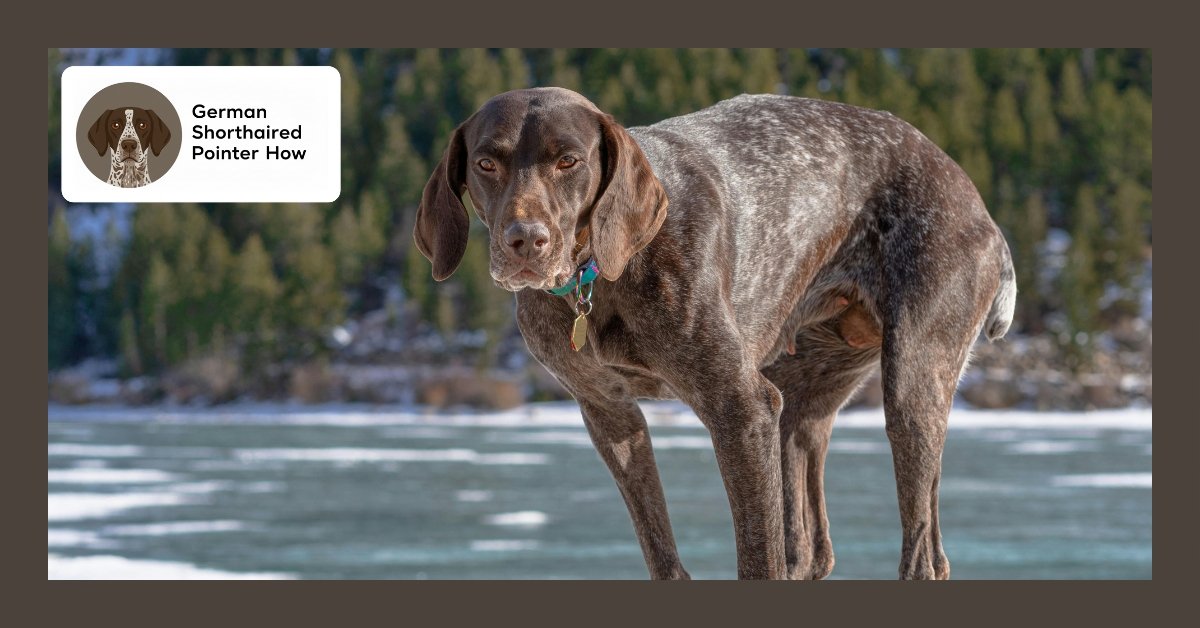
Your German Shorthaired Pointer puppy seems to grow overnight, leaving you wondering if their development is on track. Understanding your GSP’s expected size progression can help you provide optimal care and catch potential health issues early.
A German Shorthaired Pointer size chart shows that adult males typically reach 23-25 inches tall and weigh 55-70 pounds, while females stand 21-23 inches and weigh 45-60 pounds. These athletic dogs experience rapid early growth, with most reaching their full size by 18-24 months.
This comprehensive guide will walk you through every growth stage, from newborn to full maturity, helping you understand what to expect as your GSP develops into their athletic adult frame. According to the American Kennel Club breed standards, proper size tracking ensures your dog maintains optimal health throughout their 12-15 year lifespan.
German Shorthaired Pointer Growth Stages and Milestones
German Shorthaired Pointers follow a predictable growth pattern that varies significantly between males and females. Understanding these stages helps you monitor healthy development and adjust nutrition accordingly.
Puppy Stage (0-6 Months)
During the first six months, GSP puppies experience their most dramatic growth period. Newborns typically weigh less than one pound but rapidly gain weight through consistent nursing and proper nutrition.
Key milestones during this stage include:
- 8 weeks: Males average 8-12 pounds, females 7-10 pounds
- 4 months: Males reach 28+ pounds, females 22+ pounds
- 6 months: Males weigh 35-45 pounds, females 30-40 pounds
Adolescent Stage (6-18 Months)
Growth rate begins slowing during adolescence, though GSPs continue gaining height and filling out their frame. This stage requires careful attention to exercise and nutrition to support healthy joint development.
Most GSPs reach their adult height by 12-15 months but continue gaining muscle mass and weight until 18-24 months.
Complete German Shorthaired Pointer Size Chart by Age
This detailed chart provides average weight and height ranges for both male and female German Shorthaired Pointers throughout their development.
| Age | Male Weight (lbs) | Male Height (inches) | Female Weight (lbs) | Female Height (inches) |
|---|---|---|---|---|
| 8 weeks | 8-12 | 8-10 | 7-10 | 7-9 |
| 3 months | 18-22 | 12-15 | 15-19 | 11-14 |
| 6 months | 35-45 | 18-21 | 30-40 | 17-20 |
| 12 months | 50-65 | 22-24 | 45-55 | 20-22 |
| 18 months | 55-70 | 23-25 | 45-60 | 21-23 |
| Adult (2+ years) | 55-70 | 23-25 | 45-60 | 21-23 |
How to Track Your GSP’s Growth Progress
Regular monitoring helps ensure your German Shorthaired Pointer develops properly and maintains optimal health throughout their growth period.
Monthly Weighing and Measuring
Weigh your GSP monthly during the first year, then quarterly afterward. Use a reliable scale and measure height at the shoulder (withers) using a measuring tape or ruler.
Record measurements in a growth journal to track patterns over time. Sudden changes in growth rate may indicate nutritional issues or health concerns requiring veterinary attention.
Body Condition Assessment
Visual and hands-on evaluation provides valuable insights beyond simple measurements. A healthy GSP should have:
- Visible waist when viewed from above
- Easily felt ribs without excess fat covering
- Tucked abdomen when viewed from the side
- Well-defined muscle tone appropriate for age
Factors Affecting German Shorthaired Pointer Size
Several variables influence your GSP’s final adult size, making individual variation normal within breed standards.
Genetics and Bloodline
Parent size strongly predicts puppy adult dimensions. Working line GSPs often develop slightly different proportions than companion lines, with working dogs typically showing more athletic builds.
Reputable breeders provide parent information and growth predictions based on previous litters from the same bloodline.
Nutrition and Exercise Impact
Proper nutrition during growth phases directly affects final size and bone development. Overfeeding can lead to rapid weight gain and joint stress, while underfeeding may stunt growth.
Age-appropriate exercise supports healthy muscle development without overstraining growing joints. Avoid excessive jumping or long-distance running until skeletal maturity around 18 months. Consider incorporating engaging playtime activities that are suitable for your GSP’s current growth stage.
Common Size-Related Health Considerations
German Shorthaired Pointers’ athletic build requires attention to specific health aspects related to their size and growth patterns.
Hip Dysplasia Prevention
Large breed dogs face increased hip dysplasia risk, making proper growth monitoring essential. Maintain healthy weight throughout development and avoid high-impact activities during rapid growth phases.
Regular veterinary checkups include hip evaluation, especially if your GSP exceeds typical size ranges or shows mobility changes.
Weight Management Strategies
GSPs naturally carry lean muscle mass, sometimes appearing thin to owners unfamiliar with the breed. Focus on body condition rather than weight alone when assessing health.
Active GSPs may require 20-30% more calories than sedentary dogs of similar size. Adjust portions based on activity level, age, and individual metabolism. Regular dental care routines also play a crucial role in maintaining overall health during growth periods.
Understanding your German Shorthaired Pointer size chart empowers you to provide optimal care throughout your dog’s development. Regular monitoring, proper nutrition, and veterinary guidance ensure your GSP reaches their full potential while maintaining excellent health. Remember that individual variation is normal, and consistent growth patterns matter more than hitting exact chart numbers.
Frequently Asked Questions
At what age do German Shorthaired Pointers stop growing?
German Shorthaired Pointers typically reach their full height by 12-15 months but continue filling out and gaining muscle mass until 18-24 months. Some dogs may continue minor development until age 2-3 years, particularly in chest depth and overall muscle definition.
How big will my German Shorthaired Pointer puppy get?
Adult size depends on genetics, gender, and bloodline. Males typically reach 55-70 pounds and 23-25 inches tall, while females reach 45-60 pounds and 21-23 inches. Looking at parent sizes provides the best prediction for your puppy’s adult dimensions.
Why does my German Shorthaired Pointer look skinny?
GSPs naturally carry lean muscle mass with minimal body fat due to their athletic breeding. This breed standard appearance may look thin compared to other dogs. Focus on body condition and rib feel rather than visual bulk when assessing healthy weight.
How often should I weigh my German Shorthaired Pointer puppy?
Weigh puppies weekly until 4 months old, then monthly until one year. Adult dogs should be weighed quarterly or during regular vet visits. Consistent tracking helps identify growth issues or health concerns early.
What’s the difference between male and female German Shorthaired Pointer sizes?
Males are typically 10-15 pounds heavier and 2 inches taller than females. Males range 55-70 pounds and 23-25 inches, while females range 45-60 pounds and 21-23 inches. Size differences become apparent around 4-6 months of age.
Can German Shorthaired Pointers be larger than breed standard?
Some GSPs exceed breed standards due to genetics or mixed breeding. Dogs significantly larger than standard ranges may face increased health risks including joint problems and shorter lifespans. Consult your veterinarian if your dog consistently measures above typical ranges.
How does exercise affect German Shorthaired Pointer growth?
Appropriate exercise supports healthy muscle development and bone density. However, excessive high-impact activities during growth phases can damage developing joints. Limit jumping and long runs until 18 months, focusing on controlled play and swimming instead.