
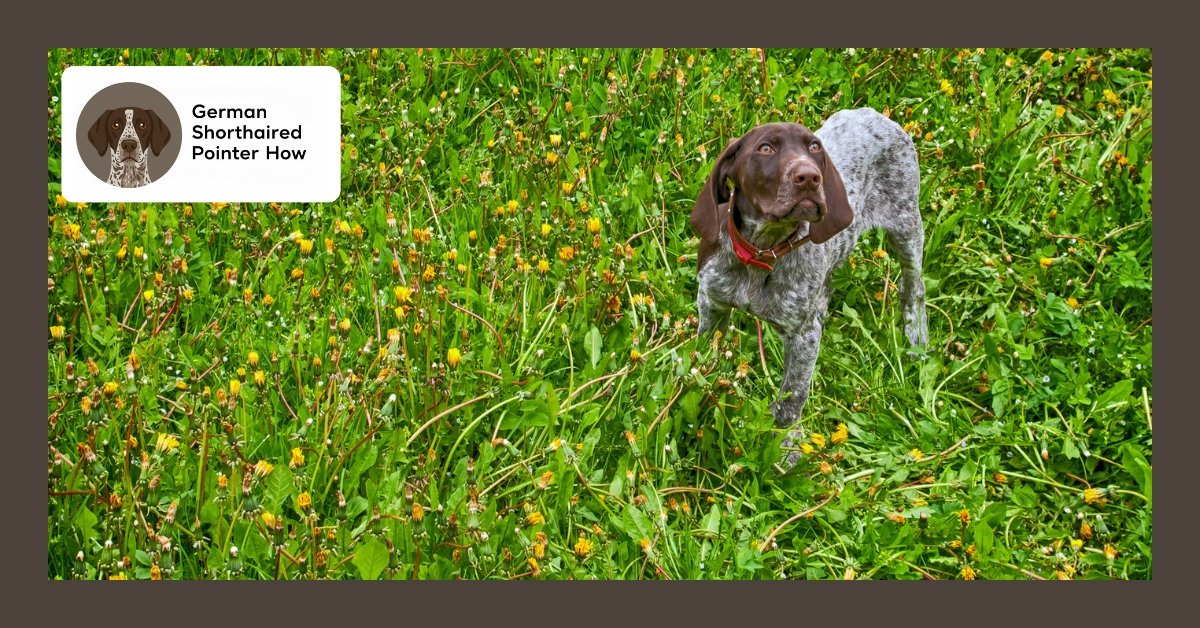
Did you know that German Shorthaired Pointers rank among the top 5 most energetic dog breeds, requiring more daily exercise than even Border Collies? If you’re considering this athletic hunting breed or already own one, understanding their exercise demands is crucial for their wellbeing.
German Shorthaired Pointers need substantial exercise – at least 90 to 120 minutes of rigorous daily activity combining physical exertion and mental stimulation. Without adequate exercise, these high-energy dogs can develop behavioral problems and health issues.
This comprehensive guide explores everything you need to know about meeting your GSP’s exercise requirements, from daily activity recommendations to warning signs of insufficient exercise. We’ll help you create the perfect exercise routine that keeps your German Shorthaired Pointer happy, healthy, and well-behaved.
Understanding the German Shorthaired Pointer’s Exercise Requirements
German Shorthaired Pointers were bred as versatile hunting dogs, designed to work tirelessly in the field for hours. This heritage directly impacts their modern exercise needs, making them one of the most demanding breeds in terms of physical activity.
According to breed specialists at German Shorthaired Pointers Canada, these dogs require a minimum of 90 to 120 minutes of high-intensity exercise daily. This isn’t a casual walk around the block – GSPs need activities that challenge both their bodies and minds.
The exercise requirements vary slightly based on age, with adult GSPs needing the full 2-hour commitment, while puppies require shorter but more frequent activity sessions. Senior dogs may need modified routines but still maintain substantial exercise needs compared to other breeds.
Why GSPs Need More Exercise Than Most Breeds
Several factors contribute to the German Shorthaired Pointer’s exceptional exercise requirements:
- Hunting Heritage: Bred to track, point, and retrieve game for extended periods
- High Metabolism: Fast metabolic rate requires constant energy expenditure
- Mental Acuity: Intelligent minds need stimulation to prevent boredom-related behaviors
- Muscular Build: Athletic physique demands regular conditioning to maintain health
Best Exercise Activities for German Shorthaired Pointers
Not all exercise is created equal when it comes to GSPs. These versatile athletes thrive on variety and activities that engage their natural instincts. Here are the most effective exercises for meeting their needs:
High-Impact Physical Activities
Running and Jogging: GSPs make excellent running companions, easily maintaining pace for 5-10 mile runs. Start gradually and build endurance together.
Swimming: This low-impact, full-body workout is perfect for GSPs. Many love water naturally, and swimming provides excellent cardiovascular exercise without joint stress.
Hiking: Trail hiking engages their tracking instincts while providing varied terrain challenges. Aim for 2-3 hour hikes on weekends to supplement daily exercise.
Mental Stimulation Activities
Physical exercise alone isn’t sufficient – German Shorthaired Pointers need mental challenges to stay balanced:
- Scent Work: Hide treats or toys for them to find using their nose – consider exploring our comprehensive scent tracking training guide for advanced techniques
- Agility Training: Set up obstacle courses in your yard or join agility classes
- Fetch Variations: Use different objects, distances, and terrain to keep fetch interesting
- Obedience Training: Regular training sessions provide mental stimulation and strengthen your bond
Creating the Perfect Daily Exercise Schedule
Structuring your GSP’s exercise routine ensures they receive adequate activity while fitting into your lifestyle. Here’s a proven framework that works for most German Shorthaired Pointer owners:
| Time of Day | Activity Type | Duration | Intensity Level |
|---|---|---|---|
| Morning | Jogging/Running | 30-45 minutes | High |
| Midday | Mental Stimulation | 15-20 minutes | Moderate |
| Evening | Fetch/Play | 45-60 minutes | High |
| Night | Gentle Walk | 15-30 minutes | Low |
How to Adjust Exercise Based on Weather
Weather shouldn’t derail your GSP’s exercise routine. Here are adaptations for different conditions:
Hot Weather: Exercise during cooler morning and evening hours. Focus on swimming or indoor activities during peak heat. Always provide plenty of water and watch for signs of overheating.
Cold Weather: GSPs tolerate cold well, but protect their paws from ice and salt. Consider dog boots for extended outdoor time in harsh conditions.
Rainy Days: Move activities indoors with treadmill training, indoor fetch in large spaces, or visit indoor dog parks if available. Check out our indoor playtime activities guide for creative exercise ideas when weather limits outdoor options.
Warning Signs Your GSP Isn’t Getting Enough Exercise
Under-exercised German Shorthaired Pointers exhibit clear behavioral and physical signs. Recognizing these early prevents more serious problems from developing.
Behavioral Indicators
Watch for these red flags that indicate your GSP needs more exercise:
- Destructive Behavior: Chewing furniture, digging, or destroying household items
- Excessive Barking: Vocalizing more than usual, especially when left alone – learn more about addressing barking problems and effective solutions
- Hyperactivity: Unable to settle down, constant pacing or restlessness
- Attention-Seeking: Increased demands for interaction, jumping on people
- Sleep Disruption: Difficulty settling at night or waking frequently
Physical Health Consequences
Insufficient exercise leads to serious health problems in GSPs. Without regular activity, these dogs may develop obesity, which increases their risk of joint problems, diabetes, and heart disease. Their muscular build requires consistent conditioning to maintain proper tone and prevent muscle atrophy.
Mental health also suffers when exercise needs aren’t met. GSPs can develop anxiety, depression, and compulsive behaviors that become increasingly difficult to correct over time.
Exercise Tips for Urban GSP Owners
Living in an urban environment doesn’t disqualify you from GSP ownership, but it requires creative solutions to meet their exercise needs. Many city-dwelling GSP owners successfully keep their dogs happy and healthy with proper planning.
Utilize Dog Parks: Find large, well-maintained dog parks where your GSP can run off-leash safely. Visit during off-peak hours for more space and fewer distractions.
Explore Urban Trails: Most cities have walking and biking trails that provide excellent exercise opportunities. Research local trail systems and vary your routes to keep things interesting.
Consider Doggy Daycare: High-quality daycare facilities provide socialization and exercise when your schedule is demanding. Look for facilities with large play areas and structured activities.
Building a Support Network
Connect with other GSP owners in your area to share exercise responsibilities. Dog walking groups, breed-specific meetups, and online communities can provide valuable support and exercise opportunities for your German Shorthaired Pointer.
Conclusion
German Shorthaired Pointers absolutely need substantial daily exercise – there’s no way around this fundamental requirement. Their 90 to 120 minutes of daily activity isn’t negotiable if you want a well-behaved, healthy companion.
Success with a GSP requires commitment to their exercise needs, creativity in providing varied activities, and understanding that this investment pays dividends in the form of an incredibly loyal and well-adjusted family member. Before bringing home a German Shorthaired Pointer, honestly assess whether you can provide the time and energy they require.
Remember that a tired GSP is a good GSP. When you meet their exercise requirements consistently, you’ll discover why so many families fall in love with this exceptional breed’s enthusiasm, intelligence, and unwavering devotion.
Frequently Asked Questions
How much exercise does a German Shorthaired Pointer puppy need?
German Shorthaired Pointer puppies need about 5 minutes of exercise per month of age, twice daily. A 4-month-old puppy should get approximately 20 minutes of exercise twice per day. Focus on mental stimulation and gentle play rather than intense physical activity until they’re fully grown at 12-18 months.
Can German Shorthaired Pointers be apartment dogs?
GSPs can live in apartments if their exercise needs are fully met through daily activities outside the home. This requires dedication to providing 90-120 minutes of vigorous exercise daily, regardless of weather or schedule constraints. Without adequate exercise, apartment living becomes problematic for both dog and owner.
What happens if I miss a day of exercise with my GSP?
Missing one day occasionally won’t harm your GSP, but you’ll likely notice increased restlessness and attention-seeking behavior. Make up for missed exercise the following day with extended activities. Consistently missing exercise days leads to behavioral problems and health issues that become increasingly difficult to manage.
Are German Shorthaired Pointers good for elderly owners?
GSPs are generally not suitable for elderly owners who cannot provide vigorous daily exercise. These dogs require active owners who can run, hike, or engage in high-energy activities. Senior citizens who remain very active and can commit to intensive exercise routines may successfully own GSPs with proper planning.
How do I know if my GSP is getting enough exercise?
A well-exercised GSP settles calmly at home, shows good appetite regulation, maintains healthy weight, and exhibits normal sleep patterns. They should be pleasantly tired after exercise sessions but not exhausted. Destructive behavior, excessive barking, or hyperactivity typically indicates insufficient exercise.
Can I use a dog treadmill for my German Shorthaired Pointer?
Dog treadmills can supplement but shouldn’t replace outdoor exercise for GSPs. These dogs need environmental stimulation, fresh air, and varied terrain that treadmills cannot provide. Use treadmills during extreme weather or as additional exercise, but prioritize outdoor activities for optimal physical and mental health.
What’s the best age to start intensive exercise with a GSP?
Begin moderate exercise routines around 6 months of age, gradually increasing intensity as your GSP matures. Avoid intensive running or jumping until growth plates close at 12-18 months. Focus on swimming, gentle hiking, and mental stimulation during the puppy phase to build fitness safely without damaging developing joints.