
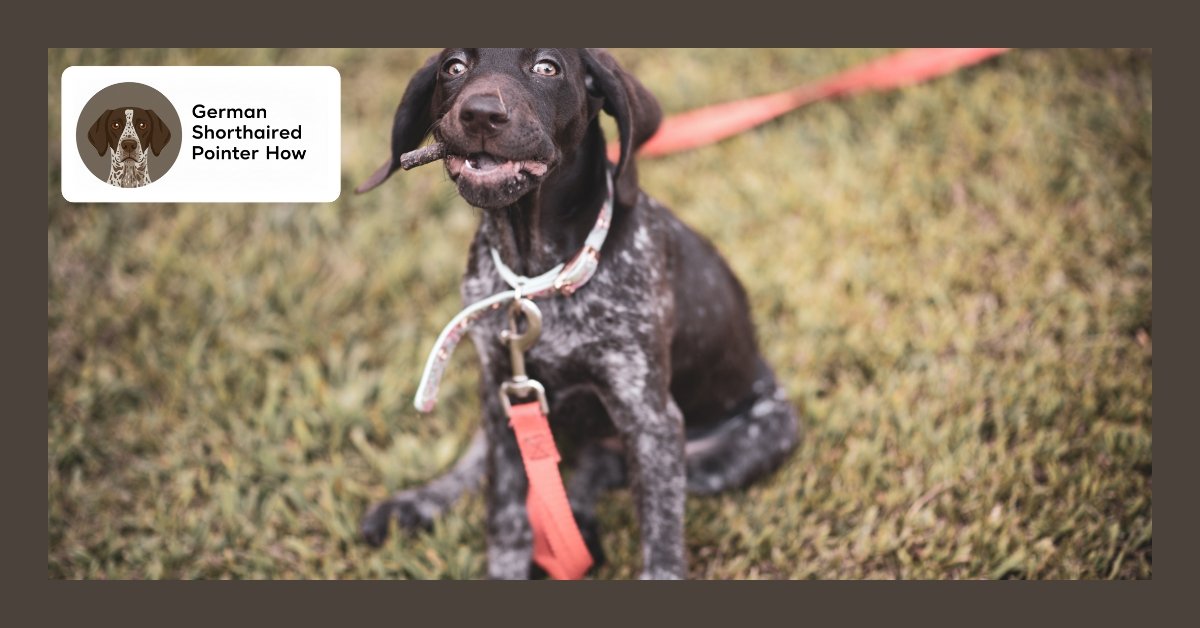
Are you worried that your German Shorthaired Pointer looks too skinny? You’re not alone. Many GSP owners find themselves asking this exact question, often misinterpreting their dog’s naturally athletic build for being underweight.
German Shorthaired Pointers are naturally lean, athletic dogs with visible muscle definition. However, if your GSP shows prominent ribs, a pronounced spine, visible hip bones, and lacks energy, they may genuinely be underweight due to inadequate nutrition, parasites, or underlying health conditions requiring veterinary attention.
Understanding the difference between a healthy GSP physique and genuine weight concerns is crucial for your dog’s wellbeing. Let’s explore the signs, causes, and solutions to ensure your pointer maintains optimal health.
Understanding the German Shorthaired Pointer’s Natural Build
German Shorthaired Pointers were bred for endurance and athleticism. Their lean appearance often confuses owners who expect a more robust build typical of other breeds.
Adult male GSPs typically weigh between 65-80 pounds, while females range from 55-73 pounds. However, weight alone doesn’t determine health status. A proper body condition assessment considers muscle mass, fat distribution, and overall energy levels. Understanding typical GSP size ranges can help you better evaluate whether your dog’s weight falls within normal parameters.
Key Characteristics of a Healthy GSP Build
- Visible but not prominent rib outline when running or stretching
- Defined waist tuck when viewed from the side
- Smooth muscle definition without sharp bone protrusion
- Bright eyes and high energy levels
Signs Your German Shorthaired Pointer is Actually Underweight
While GSPs are naturally lean, certain warning signs indicate genuine weight problems that require immediate attention.
Physical Warning Signs
Look for these concerning symptoms beyond normal breed leanness:
- Prominent bone structure: Hip bones, spine, and ribs are easily visible and sharp to touch
- Lack of muscle mass: Muscles appear flat rather than defined
- Sunken appearance: Face looks gaunt with pronounced cheekbones
- Poor coat condition: Dull, brittle, or thinning fur
Behavioral Changes
Underweight GSPs often display decreased energy, reluctance to exercise, and increased food-seeking behaviors. These changes contrast sharply with the breed’s typically vibrant personality and high energy requirements.
Common Causes Why Your GSP Might Be Too Skinny
Several factors can contribute to unhealthy weight loss in German Shorthaired Pointers. Identifying the root cause is essential for effective treatment.
Nutritional Deficiencies
Poor diet quality or insufficient calories are leading causes of weight problems. Many commercial foods lack adequate nutrition for highly active breeds like GSPs.
Food allergies and sensitivities can also prevent proper nutrient absorption. Common allergens include chicken, beef, wheat, and corn. If you suspect allergies might be affecting your GSP’s weight, learn more about GSP allergy management.
Medical Conditions
Several health issues can cause weight loss despite normal appetite:
- Parasites: Intestinal worms steal nutrients and cause malabsorption
- Thyroid disorders: Hyperthyroidism increases metabolism beyond caloric intake
- Dental problems: Pain makes eating difficult or uncomfortable
- Gastrointestinal issues: Inflammatory bowel disease prevents proper digestion
Age-Related Factors
GSP puppies grow rapidly between 6-12 months and may appear thin during growth spurts. Senior dogs might lose weight due to decreased appetite or metabolism changes.
How to Help Your Skinny German Shorthaired Pointer Gain Weight
Never attempt rapid weight gain without veterinary guidance. Sudden dietary changes can be dangerous, especially for severely underweight dogs.
Step-by-Step Weight Management Plan
- Veterinary examination: Rule out underlying medical conditions first
- Nutritional assessment: Evaluate current diet quality and quantity
- Gradual diet transition: Switch to higher-calorie, premium food over 7-10 days
- Feeding schedule adjustment: Increase meal frequency rather than portion size
- Monitor progress: Track weight weekly and body condition monthly
Feeding Recommendations by Life Stage
| Life Stage | Daily Calories | Feeding Frequency | Special Considerations |
|---|---|---|---|
| Puppy (8-18 months) | 1,200-2,000 | 3-4 meals | High-protein growth formula |
| Active Adult | 1,400-2,200 | 2 meals | Activity-based adjustments |
| Senior (7+ years) | 1,200-1,800 | 2-3 meals | Easily digestible proteins |
When to See a Veterinarian
Certain situations require immediate professional intervention. Don’t wait if you notice these red flags.
Emergency Warning Signs
Contact your veterinarian immediately if your GSP shows:
- Rapid weight loss over 1-2 weeks
- Vomiting or diarrhea lasting more than 24 hours
- Complete loss of appetite for 48+ hours
- Lethargy or weakness during normal activities
Regular Health Monitoring
Schedule routine check-ups every 6-12 months for adult GSPs. Your veterinarian can track weight trends and catch problems early. Regular dental care is also essential for maintaining proper nutrition and preventing eating difficulties.
Prevention Strategies for Optimal GSP Weight
Maintaining healthy weight is easier than correcting problems after they develop. Implement these preventive measures for long-term success.
Nutrition Best Practices
Choose high-quality dog food with animal protein as the first ingredient. Avoid foods with excessive fillers, by-products, or artificial additives.
Consider your GSP’s activity level when determining portions. Working or highly active dogs may need 20-30% more calories than sedentary pets.
Health Maintenance
Regular parasite prevention and dental care support proper nutrition absorption. Schedule professional cleanings and maintain at-home dental hygiene.
Monitor your GSP’s body condition monthly using hands-on assessment. You should feel ribs easily but not see them prominently.
Understanding why your German Shorthaired Pointer appears skinny requires recognizing the breed’s natural athleticism while staying alert to genuine health concerns. Focus on overall body condition rather than weight alone, provide high-quality nutrition matched to activity levels, and maintain regular veterinary care. With proper attention to these factors, your GSP will maintain the lean, muscular build that makes this breed so remarkable while enjoying optimal health and vitality.
Frequently Asked Questions
Is it normal for my German Shorthaired Pointer to look skinny?
Yes, GSPs naturally have a lean, athletic build with visible muscle definition. However, prominent bones, lack of muscle mass, or low energy levels may indicate genuine underweight issues requiring veterinary evaluation.
Why is my GSP not gaining weight despite eating well?
Several medical conditions can prevent weight gain including parasites, thyroid disorders, diabetes, or gastrointestinal problems. If your GSP maintains appetite but loses weight, schedule a veterinary examination immediately.
How can I tell if my German Shorthaired Pointer is underweight or just naturally lean?
Healthy GSPs have smooth muscle definition with ribs that are felt but not prominently visible. Underweight dogs show sharp bone protrusion, sunken appearance, poor coat quality, and decreased energy levels.
What should I feed my skinny German Shorthaired Pointer to help them gain weight?
Consult your veterinarian before changing diets. Generally, high-quality, calorie-dense foods with animal protein as the first ingredient work best. Increase feeding frequency rather than portion size for better digestion.
Should I be worried about visible ribs in my GSP?
Slightly visible ribs during movement or stretching can be normal for GSPs. However, constantly prominent ribs with sharp edges that are easily seen while standing indicate potential underweight status requiring professional assessment.
How long does it take for a German Shorthaired Pointer to gain healthy weight?
Healthy weight gain occurs gradually over 4-8 weeks depending on the underlying cause and starting condition. Rapid weight gain can be dangerous, so patience and veterinary monitoring are essential.
What health problems cause weight loss in German Shorthaired Pointers?
Common causes include intestinal parasites, hyperthyroidism, diabetes, inflammatory bowel disease, dental problems, and food allergies. Prompt veterinary diagnosis ensures appropriate treatment and prevents complications.