
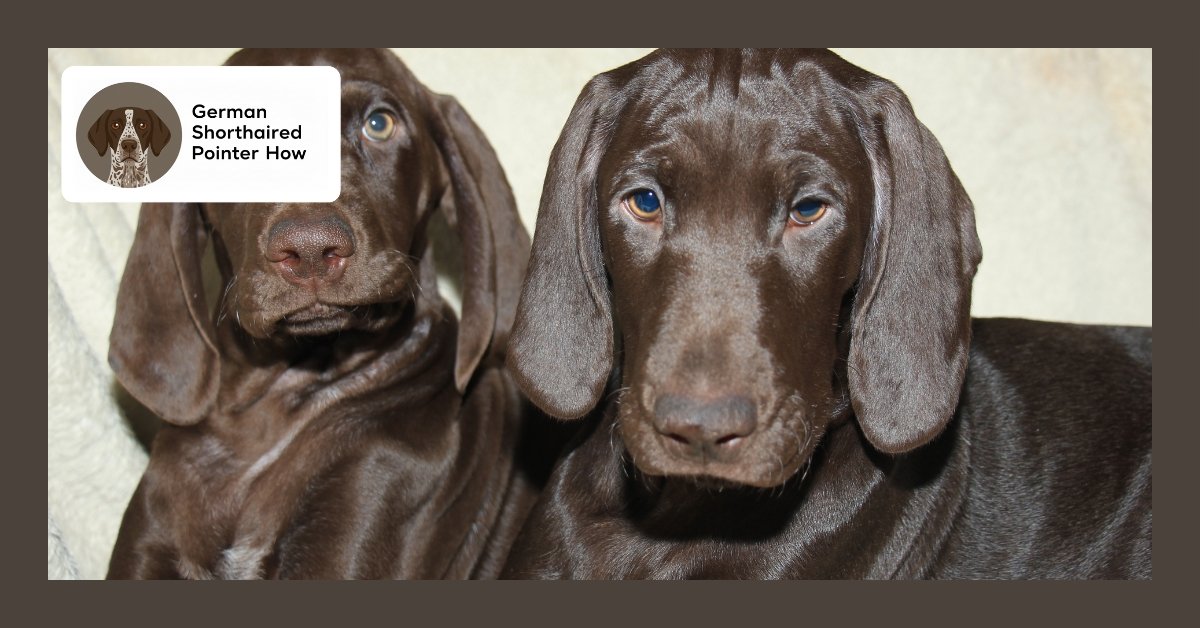
Think all intelligent dogs are easy to train? Think again. German Shorthaired Pointers consistently rank among the top breeds for intelligence, yet many experienced trainers consider them challenging for novice owners.
Are German Shorthaired Pointers easy to train? GSPs are highly intelligent and eager to please, making them trainable for experienced handlers who use consistent positive reinforcement. However, their strong prey drive, high energy needs, and distractibility present significant challenges for first-time dog owners.
Understanding what makes these athletic hunting dogs tick is crucial before bringing one home. Recent studies show that insufficient exercise and training lead to behavioral problems in over 70% of GSPs. Let’s explore what it really takes to successfully train these remarkable dogs.
Understanding German Shorthaired Pointer Intelligence and Temperament
German Shorthaired Pointers possess exceptional intelligence that works both for and against training efforts. Their problem-solving abilities and memory retention make them quick learners when properly motivated.
However, this intelligence comes with independence and strong decision-making instincts bred for hunting. GSPs often choose to follow their nose rather than commands, especially in stimulating environments.
The breed’s temperament varies significantly between bloodlines:
| Bloodline Type | Energy Level | Trainability | Best For |
|---|---|---|---|
| Show Lines | High | Moderate-High | Family companions |
| Hunting Lines | Very High | Moderate | Working homes |
| Field Trial Lines | Extreme | Challenging | Experienced handlers |
Key Personality Traits Affecting Training
- Prey Drive: Intense focus on birds, small animals, and movement
- Sensitivity: Responsive to tone and energy but easily overwhelmed by harsh methods
- Social Nature: Craves interaction and inclusion in family activities
- Stamina: Requires substantial physical and mental engagement daily
Major Training Challenges with German Shorthaired Pointers
While GSPs excel in many training areas, specific challenges consistently frustrate owners. Understanding these obstacles helps set realistic expectations and develop targeted strategies.
Recall Training Difficulties
Recall represents the biggest training hurdle for most GSP owners. Their hunting instincts override commands when interesting scents or sights appear. For detailed guidance on this critical skill, our puppy recall training guide provides step-by-step methods. Professional trainers report that achieving reliable recall typically takes 12-18 months of consistent practice.
Common recall failures occur when:
- Training begins in high-distraction environments
- Owners rush off-leash privileges before establishing reliability
- Insufficient reinforcement value compared to environmental rewards
Impulse Control Issues
GSPs naturally act on instinct before thinking. This manifests as jumping on people, bolting through doors, and grabbing items with their mouths. Building impulse control requires patience and structured exercises. If jumping becomes problematic, consider specialized training techniques to address this behavior.
Exercise-Related Behavioral Problems
Insufficient physical activity creates a cascade of training problems. Under-exercised GSPs exhibit destructive chewing, excessive barking, hyperactivity, and attention-seeking behaviors that make training sessions ineffective.
Effective Training Methods for German Shorthaired Pointers
Success with GSP training hinges on understanding their motivation and energy needs. Positive reinforcement methods consistently produce better results than traditional dominance-based approaches.
Step-by-Step Basic Training Approach
Phase 1: Foundation Building (Weeks 1-4)
- Establish routine feeding, exercise, and training schedules
- Teach basic commands in low-distraction indoor environments
- Focus on sit, stay, and come using high-value food rewards
- Begin crate training for impulse control and rest periods
Phase 2: Skill Development (Weeks 5-12)
- Gradually increase training session duration and complexity
- Introduce controlled distractions while practicing commands
- Begin leash training and loose-leash walking
- Add mental enrichment through puzzle toys and nose work
Phase 3: Reliability Building (Months 4-12)
- Practice commands in various environments and situations
- Extend recall training with long lines before off-leash work
- Focus on impulse control exercises and boundary training
- Consider advanced training like agility or hunting skills
Exercise Requirements for Training Success
German Shorthaired Pointers require minimum one hour of vigorous exercise daily, split between physical activity and mental stimulation. Without adequate exercise, training efforts often fail regardless of technique quality.
Effective exercise combinations include:
- Morning: 30-minute run or bike ride
- Midday: 15-minute training session with mental challenges
- Evening: 30-minute interactive play or swimming
Common Training Mistakes to Avoid
Even experienced dog owners make critical errors when training GSPs. Avoiding these pitfalls significantly improves training outcomes and reduces frustration for both dog and handler.
Rushing the Training Process
GSP intelligence tempts owners to skip foundational steps or progress too quickly. This approach backfires when dogs become unreliable under pressure or in exciting situations.
Using Punishment-Based Methods
Harsh corrections shut down GSPs mentally and damage the trust essential for successful training. Recent research confirms that positive reinforcement produces faster, more reliable results with sensitive breeds.
Underestimating Time Commitment
Many new GSP owners expect quick results without understanding the sustained effort required. Successful training typically requires 2-3 hours daily including exercise, mental stimulation, and formal training sessions.
Professional Training Considerations
First-time GSP owners often benefit from professional guidance, especially for recall training and impulse control. Look for trainers experienced with sporting breeds who emphasize positive reinforcement methods.
Consider professional help when:
- Recall training shows no progress after 8 weeks
- Destructive behaviors persist despite adequate exercise
- Aggression or resource guarding develops
- Training for specific activities like hunting or competition
Specialized organizations like NAVHDA provide breed-specific training resources and can connect owners with experienced GSP trainers in their area.
Are German Shorthaired Pointers Right for Your Training Abilities?
Successfully training a German Shorthaired Pointer requires honest assessment of your experience, time availability, and lifestyle. These dogs thrive with active, patient owners who enjoy outdoor activities and consistent training routines.
GSPs excel with owners who:
- Have previous experience training high-energy breeds
- Maintain active lifestyles with time for daily exercise
- Enjoy outdoor activities like hiking, running, or hunting
- Understand that training is an ongoing, long-term commitment
Consider a different breed if you prefer low-maintenance dogs, have limited exercise time, or lack patience for extended training periods. Are German Shorthaired Pointers easy to train? With the right owner match and commitment, absolutely. Without it, they become challenging, potentially destructive companions.
Frequently Asked Questions
How long does it take to train a German Shorthaired Pointer?
Basic obedience typically takes 4-6 months with consistent daily training. However, achieving reliable recall and impulse control often requires 12-18 months of ongoing work. Advanced training for hunting or competition can take 2-3 years to master.
Do German Shorthaired Pointers need special training equipment?
Standard training equipment works well, though long training leads (20-50 feet) are essential for recall training. Consider front-clip harnesses for leash training and puzzle toys for mental stimulation. Professional hunting training may require specialized equipment.
Can you train an older German Shorthaired Pointer?
Adult GSPs learn readily with consistent positive reinforcement, though breaking established bad habits requires more patience than starting fresh with puppies. Many adult rescue GSPs successfully learn new behaviors with dedicated training efforts.
What commands should I teach my German Shorthaired Pointer first?
Start with sit, stay, come, and down in low-distraction environments. Focus heavily on recall training early, as this proves most challenging for the breed. Add impulse control exercises like “wait” at doors and “leave it” for dropped items.
How much exercise does my German Shorthaired Pointer need before training?
Provide 20-30 minutes of physical exercise before training sessions to improve focus and reduce hyperactivity. However, avoid exhausting your dog, as overtired GSPs lose concentration and learning ability. Balance energy release with mental alertness for optimal training conditions.
Are German Shorthaired Pointers good for first-time dog owners?
GSPs are generally not recommended for first-time owners due to their high energy, strong prey drive, and need for consistent training. They require experienced handlers who understand positive reinforcement methods and can provide adequate exercise and mental stimulation.
What training mistakes cause the most problems with German Shorthaired Pointers?
The biggest mistakes include insufficient exercise leading to hyperactivity, rushing off-leash privileges before establishing reliable recall, using punishment-based methods that shut down their sensitive nature, and underestimating the time commitment required for consistent training success.