
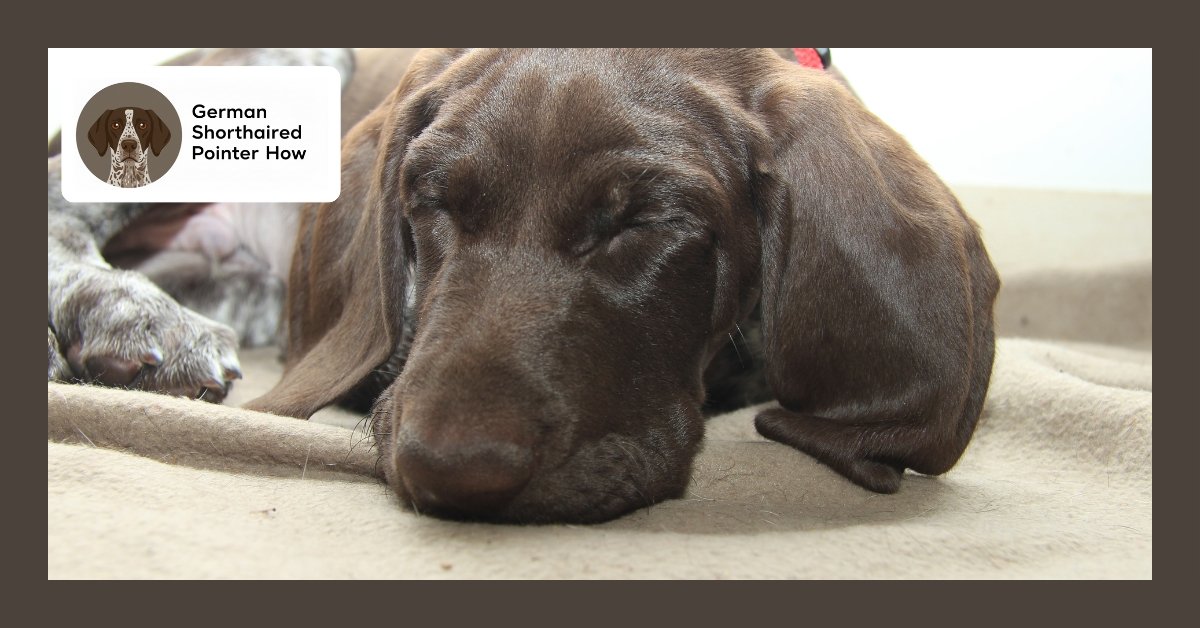
Did you know that 68% of American households own pets, yet most urban dwellers struggle to find breed-specific housing advice? If you’re considering bringing a German Shorthaired Pointer into your apartment, you’re facing one of the most important decisions for both you and your future furry companion.
Can German Shorthaired Pointers live in apartments? While technically possible, German Shorthaired Pointers are generally poor fits for apartment living due to their high energy needs, large size (45-70 pounds), and requirement for 1-2 hours of vigorous daily exercise. These hunting dogs retain puppy-like energy for up to three years and can develop destructive behaviors in confined spaces.
This comprehensive guide examines every aspect of GSP apartment living, from space requirements to exercise solutions. According to the Southeast German Shorthaired Pointer Rescue, understanding these needs before adoption prevents the heartbreak of surrendering an incompatible pet later.
Understanding German Shorthaired Pointer Characteristics
German Shorthaired Pointers are athletic powerhouses originally bred for hunting versatility. These dogs possess several traits that directly impact their apartment compatibility.
Physical Dimensions and Space Needs
GSPs are substantial dogs that require adequate indoor space for comfortable movement. Adult males typically weigh 55-70 pounds and stand 23-25 inches tall, while females range from 45-60 pounds at 21-23 inches. For detailed measurements and growth expectations, our German Shorthaired Pointer size chart provides comprehensive information about breed dimensions. Their active nature means they need room to pace, stretch, and play indoors during weather restrictions.
Unlike smaller breeds that adapt well to compact spaces, GSPs feel cramped in studio or one-bedroom apartments. They thrive with access to multiple rooms and prefer homes where they can follow family members throughout the day.
Energy Levels and Temperament
The breed’s energy characteristics present the biggest challenge for apartment dwellers:
- Puppy energy persists for 3+ years: Unlike many breeds that mellow after the first year, GSPs maintain high energy well into adulthood
- Hunting instincts remain active: They may chase small pets, react to outdoor sounds, or become restless without mental stimulation
- People-oriented personalities: GSPs suffer from separation anxiety when left alone for extended periods
Exercise Requirements vs. Apartment Limitations
The exercise needs of German Shorthaired Pointers often clash with apartment living realities. Understanding these requirements helps determine if you can meet their needs in an urban environment. For a detailed breakdown of activity requirements, see our complete guide on German Shorthaired Pointer exercise needs.
Daily Exercise Minimums
GSPs require 1-2 hours of moderate to vigorous exercise daily. This isn’t leisurely neighborhood strolls but intensive activities like running, swimming, or hiking. Without adequate exercise, these dogs develop destructive behaviors including furniture chewing, excessive barking, and escape attempts.
| Activity Type | Duration Needed | Apartment Feasibility |
|---|---|---|
| Running/Jogging | 45-60 minutes | Requires nearby parks or trails |
| Swimming | 30-45 minutes | Limited to dog-friendly facilities |
| Mental stimulation | 15-30 minutes | Highly apartment-compatible |
| Training sessions | 20-30 minutes | Apartment-friendly |
Mental Stimulation Requirements
Physical exercise alone isn’t sufficient for GSPs. These intelligent dogs need mental challenges to prevent boredom-related problems. Puzzle toys, obedience training, and scent work can supplement physical activity but never replace it entirely.
Common Challenges in Apartment Settings
Apartment living presents specific obstacles for German Shorthaired Pointer owners that extend beyond basic space constraints.
Behavioral Issues from Insufficient Stimulation
Understimuiated GSPs develop problematic behaviors that make apartment living difficult for both dogs and neighbors. Common issues include excessive barking at outdoor sounds, destructive chewing of furniture or personal items, and attempts to escape through doors or windows.
These behaviors typically worsen during the first three years when the dog’s energy levels peak. Many rescue organizations report that behavioral problems are the primary reason GSPs are surrendered by apartment dwellers.
Neighbor Relations and Noise Concerns
GSPs are naturally vocal dogs with strong protective instincts. In apartment buildings, their barking can disturb neighbors and potentially violate lease agreements. If you’re experiencing noise issues, our German Shorthaired Pointer barking solutions guide offers proven strategies for managing excessive vocalization. Their size and energy also mean heavier footsteps and more noticeable movement compared to smaller apartment-friendly breeds.
How to Make Apartment Living Work (If You Must)
While not ideal, some dedicated owners successfully keep GSPs in apartments with extensive accommodations. Here’s a step-by-step approach for those determined to make it work:
- Establish morning exercise routines: Begin each day with 30-45 minutes of vigorous activity before work
- Arrange midday breaks: Hire dog walkers or use doggy daycare for additional stimulation
- Create evening activities: Plan another 30-45 minutes of exercise or training after work
- Invest in mental enrichment: Rotate puzzle toys, practice obedience commands, and provide scent work opportunities
- Socialize extensively: Regular interaction with other dogs prevents behavioral issues
Essential Equipment for Apartment GSPs
Success requires specific tools and accommodations:
- Interactive puzzle feeders to slow eating and provide mental stimulation
- Sturdy chew toys rated for powerful jaws
- Exercise equipment like agility tunnels for indoor use
- Sound-dampening materials to reduce neighbor disturbances
Alternative Housing Solutions
Before committing to apartment living with a GSP, consider these alternatives that better suit the breed’s needs.
Townhomes and Condos with Yards
Properties with even small fenced yards provide enormous benefits for GSPs. Direct outdoor access allows for quick potty breaks, supervised play, and mental stimulation from environmental exploration. Many townhomes offer the urban convenience apartment dwellers seek with more appropriate space for medium to large breeds.
Rural or Suburban Options
GSPs truly thrive in homes with larger yards and nearby outdoor recreation areas. If your lifestyle allows for commuting, suburban or rural properties provide the space these dogs need to express natural behaviors safely.
The lifespan of well-exercised GSPs typically ranges from 12-14 years, making the housing decision a long-term commitment worth careful consideration.
When to Reconsider GSP Ownership
Honest self-assessment prevents future heartbreak for both owners and dogs. Consider alternative breeds if you cannot commit to the extensive exercise and training requirements.
Apartment dwellers working long hours, those without access to nearby parks or trails, or families with very young children may find GSP ownership overwhelming. Breed-specific rescues emphasize that surrendering dogs due to housing incompatibility traumatizes both pets and families.
In conclusion, while German Shorthaired Pointers can technically survive in apartments, they rarely thrive in such environments. Their exercise needs, size, and energy levels make them better suited for homes with yards and active families. Before bringing a GSP into apartment living, honestly evaluate your ability to provide 1-2 hours of daily vigorous exercise, extensive mental stimulation, and long-term commitment to their needs. The decision impacts both your quality of life and your dog’s wellbeing for potentially 12-14 years.
Frequently Asked Questions
How much exercise does a German Shorthaired Pointer need daily?
German Shorthaired Pointers require 1-2 hours of moderate to vigorous exercise daily. This includes activities like running, swimming, or hiking rather than casual walks. Without adequate exercise, GSPs develop destructive behaviors and anxiety.
Are German Shorthaired Pointers good apartment dogs?
No, German Shorthaired Pointers are generally not good apartment dogs. Their large size (45-70 pounds), high energy needs, and requirement for extensive daily exercise make them poorly suited for confined living spaces. They thrive better in homes with yards.
At what age do German Shorthaired Pointers calm down?
German Shorthaired Pointers typically begin to mellow around 3 years of age, though many maintain high energy levels throughout their lives. Their puppy-like energy and behavior can persist much longer than other breeds, making early training crucial.
Can German Shorthaired Pointers be left alone all day?
German Shorthaired Pointers should not be left alone all day. They are people-oriented dogs that develop separation anxiety when isolated for extended periods. They need family interaction and mental stimulation throughout the day to remain happy and well-behaved.
What happens if a German Shorthaired Pointer doesn’t get enough exercise?
Under-exercised German Shorthaired Pointers develop problematic behaviors including destructive chewing, excessive barking, digging, and attempts to escape. They may also become anxious, restless, and difficult to manage indoors.
How big do German Shorthaired Pointers get?
German Shorthaired Pointers are medium to large dogs. Males typically weigh 55-70 pounds and stand 23-25 inches tall, while females range from 45-60 pounds at 21-23 inches. Their size requires adequate indoor space for comfortable movement.
Do German Shorthaired Pointers bark a lot in apartments?
German Shorthaired Pointers can be vocal, especially when under-stimulated or responding to outdoor sounds. In apartment settings, their barking may disturb neighbors and violate lease agreements. Proper exercise and training help minimize excessive vocalization.