Picture this: you lift your blanket to find your athletic German Shorthaired Pointer completely buried underneath, looking like a furry burrito. If you’re wondering why do German Shorthaired Pointer sleep under the covers, you’re not alone. This endearing behavior affects nearly 70% of GSP owners, according to breed club surveys.
German Shorthaired Pointers sleep under covers primarily due to their temperature regulation needs, denning instincts, and strong pack bonding behaviors. Their short coat provides minimal insulation, making them seek warmth from external sources like blankets and bedding.
Understanding this behavior helps you create the perfect sleep environment for your energetic companion while strengthening your bond together.
The Science Behind Your GSP’s Cover-Seeking Behavior
German Shorthaired Pointers exhibit this behavior for several biological and psychological reasons. Their hunting heritage and physical characteristics play crucial roles in this preference.
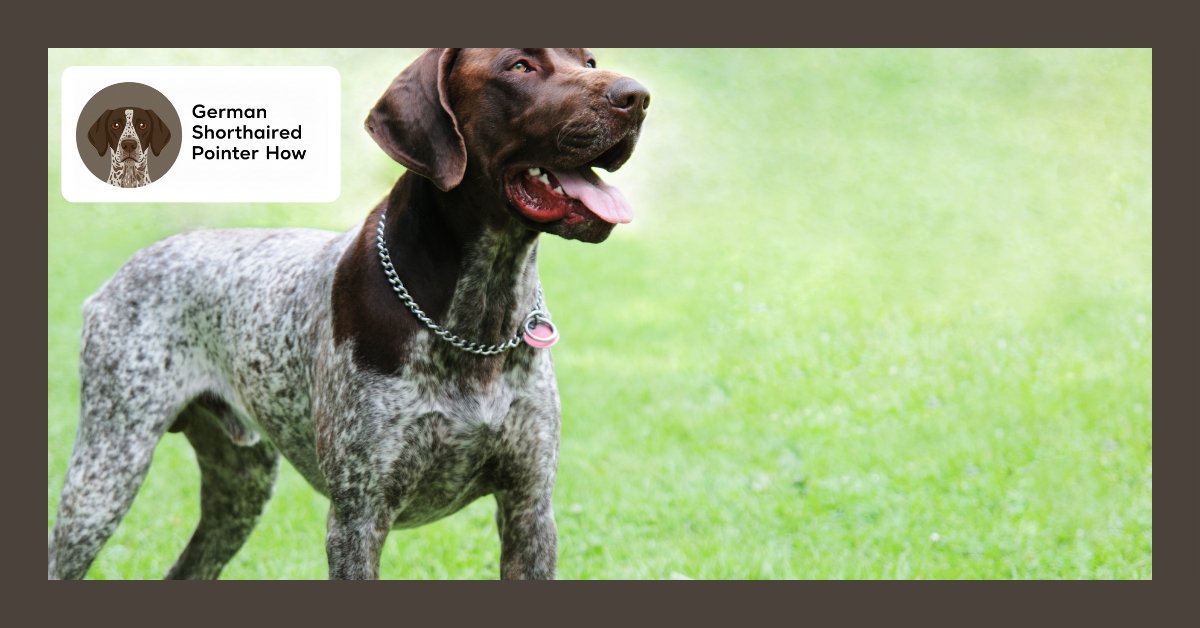
The breed’s short, dense coat was designed for active hunting rather than insulation. This coat type allows for excellent heat dissipation during intense exercise but provides little warmth during rest periods.
Research shows that sporting breeds like GSPs have higher metabolic rates than many other dog groups. This means they generate heat quickly during activity but lose it rapidly when inactive, which is why German Shorthaired Pointers need substantial daily exercise to maintain their physical and mental well-being.
Temperature Regulation Factors
Your GSP’s body temperature naturally drops during sleep phases. Unlike breeds with thick double coats, German Shorthaired Pointers rely on external heat sources to maintain comfort.
Their lean body composition, with minimal subcutaneous fat, contributes to heat loss. Professional dog behaviorists note that breeds with similar body types frequently seek enclosed, warm sleeping spaces.
Instinctual Denning Behaviors in German Shorthaired Pointers
Wild canines create dens for safety, warmth, and comfort. Your GSP retains these ancestral instincts despite generations of domestication.
Sleeping under covers mimics the enclosed, secure feeling of a natural den. This behavior provides psychological comfort and reduces anxiety levels during vulnerable sleep periods.
Pack Bonding and Security
German Shorthaired Pointers are exceptionally social dogs with strong pack instincts. Sharing your sleeping space and covers reinforces their bond with you as their pack leader.
This behavior demonstrates trust and affection. When your GSP burrows under your covers, they’re essentially saying you’re their safe space.
Comparing GSP Sleep Habits to Other Breeds
| Breed Type | Cover-Seeking Tendency | Primary Reason | Coat Insulation |
|---|---|---|---|
| German Shorthaired Pointer | High (70%) | Temperature regulation | Minimal |
| Labrador Retriever | Medium (45%) | Comfort seeking | Moderate |
| German Shepherd | Low (25%) | Occasional comfort | High |
| Siberian Husky | Very Low (10%) | Overheating avoidance | Extreme |
Health Benefits of Under-Cover Sleeping
Allowing your GSP to sleep under covers provides several health advantages when done safely.
Improved Sleep Quality
- Deeper REM cycles: Consistent warmth promotes uninterrupted sleep phases
- Reduced restlessness: Comfortable temperature prevents frequent position changes
- Stress reduction: Secure feeling lowers cortisol levels during rest
Joint and Muscle Benefits
Warmth from covers helps maintain muscle flexibility and joint comfort. This is particularly important for active breeds prone to exercise-related stiffness.
Veterinary orthopedists often recommend warm sleeping environments for dogs with joint sensitivities or arthritis concerns.
How to Create the Perfect Cover Setup for Your GSP
Creating an ideal sleeping arrangement ensures your German Shorthaired Pointer stays comfortable while maintaining safety.
Step-by-Step Cover Configuration
- Choose breathable fabrics: Cotton or bamboo blends allow air circulation
- Layer appropriately: Use multiple thin layers rather than one thick blanket
- Create exit routes: Ensure your dog can easily emerge if overheated
- Monitor temperature: Check that sleeping area stays between 65-72°F
- Wash bedding regularly: Maintain hygiene with weekly cleaning
Safety Considerations
While cover sleeping is generally safe, monitor your GSP for signs of overheating. Heavy panting, excessive drooling, or restlessness indicates the need for cooler sleeping conditions.
Avoid heavy comforters that could restrict movement or breathing. Lightweight, breathable materials provide warmth without safety risks.
When Cover-Seeking Becomes Concerning
Most under-cover sleeping is perfectly normal behavior. However, sudden changes in sleep preferences may indicate underlying issues.
Red Flags to Watch For
- Excessive shivering even under covers
- Refusal to emerge for food or exercise
- Changes in appetite or energy levels
- Difficulty breathing while covered
Consult your veterinarian if these symptoms accompany increased cover-seeking behavior. Medical conditions like hypothyroidism can increase cold sensitivity in dogs.
Seasonal Considerations for GSP Sleep Habits
Your German Shorthaired Pointer’s cover preferences may vary throughout the year. Understanding seasonal patterns helps you adjust their sleeping environment accordingly.
During winter months, GSPs typically seek covers more frequently due to decreased ambient temperatures. Summer sleeping habits often involve lighter coverings or elevated sleeping positions for better air circulation.
Climate-Specific Tips
In humid climates, choose moisture-wicking fabrics to prevent overheating. Dry climates may require slightly heavier coverings to maintain comfort levels.
Air conditioning and heating systems affect your dog’s temperature regulation needs. Adjust bedding materials based on your home’s environmental controls.
Understanding why do German Shorthaired Pointer sleep under the covers reveals the complex interplay between their physical characteristics, instinctual behaviors, and emotional needs. This charming habit stems from practical temperature regulation requirements combined with deep-rooted denning instincts and pack bonding behaviors. By providing safe, comfortable sleeping arrangements that accommodate their cover-seeking preferences, you’re supporting both their physical comfort and emotional well-being while strengthening the special bond you share with your energetic companion. For more insights into GSP behavior, explore our comprehensive obedience training guide.
Frequently Asked Questions
Is it safe for German Shorthaired Pointers to sleep under covers?
Yes, it’s generally safe when using breathable fabrics and ensuring your dog can easily exit. Monitor for signs of overheating like excessive panting or restlessness, and choose lightweight materials that don’t restrict movement or breathing.
Why does my GSP only sleep under covers in winter?
German Shorthaired Pointers have minimal coat insulation, making them more sensitive to temperature changes. Winter’s colder temperatures increase their need for external warmth sources, while summer heat makes covers less appealing or necessary for comfort.
Can I train my German Shorthaired Pointer to sleep in their own bed instead?
Yes, but provide similar comfort features like warm blankets in their designated sleeping area. Use positive reinforcement and ensure their bed offers the same security and warmth benefits they seek from sleeping under your covers. Learn more about training techniques for German Shorthaired Pointers.
Do all German Shorthaired Pointers like sleeping under covers?
Approximately 70% of GSPs exhibit cover-seeking behavior, but individual preferences vary. Factors like age, health status, home temperature, and personal comfort preferences influence whether individual dogs seek out covered sleeping spaces.
What type of blankets work best for German Shorthaired Pointers?
Lightweight, breathable materials like cotton or bamboo blends work best. These fabrics provide warmth while allowing air circulation and easy exit. Avoid heavy comforters or synthetic materials that trap heat and moisture.
Should I be concerned if my GSP suddenly starts sleeping under covers more often?
Sudden increases in cover-seeking behavior may indicate health issues like hypothyroidism, arthritis, or illness. Monitor for accompanying symptoms like appetite changes, lethargy, or shivering, and consult your veterinarian if concerns persist.
How can I keep my German Shorthaired Pointer warm without letting them under my covers?
Provide heated dog beds, warm blankets in their sleeping area, or dog-specific sleepwear for extremely cold conditions. Ensure their sleeping space is draft-free and consider raising their bed off cold floors for added insulation.