
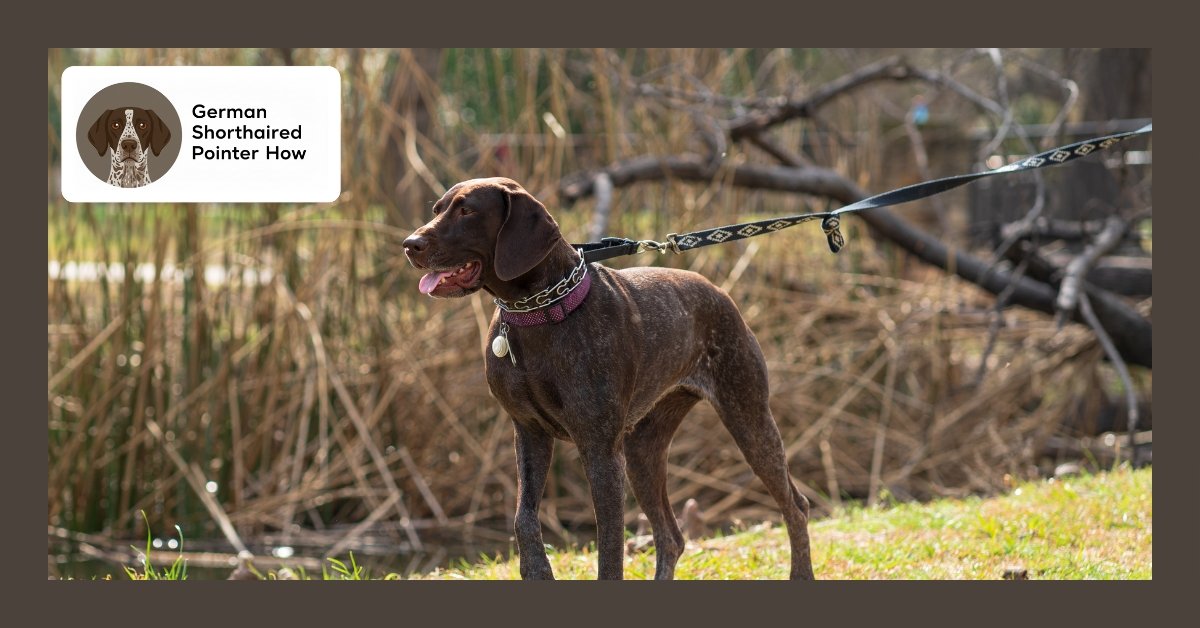
Are you wondering how long it takes to train your energetic German Shorthaired Pointer? You’re not alone. These intelligent hunting dogs present unique training challenges that catch many first-time owners off guard.
Most German Shorthaired Pointers achieve basic obedience within 2 to 4 months of consistent training, though the adolescent phase from 6 months to 3 years requires ongoing reinforcement and patience. Unlike other breeds that may master basics in 4-6 weeks, GSPs need this extended timeline due to their high energy and complex intelligence.
The journey from untrained puppy to well-behaved companion involves distinct phases, each with specific milestones and challenges. Understanding this timeline helps set realistic expectations and prevents the frustration that leads many GSP owners to give up during the difficult adolescent period. According to expert animal behaviorists, GSPs require specialized approaches that account for their working dog heritage and intense energy levels.
German Shorthaired Pointer Training Timeline by Age
Training your GSP successfully requires understanding what to expect at each developmental stage. These intelligent dogs progress differently than many breeds, with distinct phases that demand adjusted approaches.
8 Weeks to 4 Months: Foundation Phase
Begin training immediately when your GSP puppy arrives home at 8 weeks. This critical period shapes your dog’s entire future behavior patterns.
During these first months, focus on:
- Basic commands (sit, stay, come, down)
- House training and crate training
- Leash walking without pulling
- Socialization with people and other animals
- Bite inhibition and gentle mouth training
Expect house training to take 4-6 months with consistent effort. GSP puppies have small bladders and high metabolisms, requiring frequent outdoor breaks every 2-3 hours initially.
4 to 8 Months: Skill Building Phase
Your GSP’s intelligence really shines during this period. They can learn complex commands and begin specialized training for hunting or other activities.
Most GSPs achieve reliable basic obedience by 8 months old. However, their adolescent energy surge begins around 6 months, testing your patience and consistency.
6 Months to 3 Years: The Adolescent Challenge
This phase challenges even experienced dog owners. Your previously well-behaved puppy may suddenly “forget” training, test boundaries, and display increased independence.
Common adolescent behaviors include:
- Selective hearing during recall
- Increased jumping and mouthing
- Destructive behavior when bored
- Difficulty focusing during training sessions
Don’t panic if your GSP seems to regress. This normal developmental phase requires patience and consistent reinforcement of established rules.
How Long Does It Take to Train a German Shorthaired Pointer for Specific Skills?
Different training goals require varying timeframes. Understanding these expectations helps you plan your training approach effectively.
| Training Goal | Timeline | Key Factors |
|---|---|---|
| Basic Obedience | 2-4 months | Daily practice, positive reinforcement |
| House Training | 4-6 months | Consistent schedule, crate training |
| Leash Walking | 2-3 months | Exercise before training, proper equipment |
| Hunting Skills | 6-12 months | Natural instincts, specialized training |
| Advanced Commands | 6-18 months | Foundation skills mastered first |
The Exercise Factor
GSPs require significant physical activity before they can focus on training. A tired GSP is a trainable GSP.
Plan for 60-90 minutes of exercise daily for adult GSPs. Without adequate physical outlet, training sessions become frustrating struggles rather than productive learning opportunities. For detailed guidance on meeting their activity needs, see our comprehensive guide on German Shorthaired Pointer exercise requirements.
Step-by-Step Training Approach for German Shorthaired Pointers
Success with GSP training requires a structured approach that accounts for their unique characteristics and energy levels.
Step 1: Establish Your Training Schedule
Schedule 2-3 short training sessions daily, lasting 5-10 minutes each for puppies and 10-15 minutes for adults. GSPs learn better with frequent, brief sessions than long, exhausting ones.
Step 2: Start with Physical Exercise
Always exercise your GSP before training sessions. A 15-20 minute play session or brisk walk helps them focus and reduces hyperactive behavior during training.
Step 3: Use High-Value Rewards
GSPs respond best to food rewards, praise, and play. Discover what motivates your individual dog most strongly and use these rewards consistently.
Step 4: Practice in Different Environments
Once your GSP masters a command indoors, practice in the yard, then on walks, and finally in more distracting environments. This generalization process prevents selective obedience.
Step 5: Maintain Consistency Across Family Members
Ensure everyone in your household uses identical commands and rewards. Mixed signals confuse GSPs and slow training progress significantly.
Common German Shorthaired Pointer Training Challenges
Understanding typical GSP challenges helps you prepare effective solutions before problems become ingrained habits.
Excessive Jumping and Mouthing
GSPs use their mouths to explore and show excitement. Redirect this behavior by teaching “gentle” commands and providing appropriate chew toys. For comprehensive strategies to address this behavior, check out our detailed guide on training your GSP not to jump.
Never use your hands as play toys. This teaches bite inhibition problems that become dangerous as your GSP grows larger.
Destructive Behavior When Bored
Mental stimulation prevents destructive behavior more effectively than physical exercise alone. Puzzle toys, scent games, and training sessions provide crucial mental challenges. Engaging playtime activities for your GSP can help channel their energy constructively.
A bored GSP will create their own entertainment, usually involving your favorite shoes or furniture.
Difficulty with Impulse Control
Teaching “wait” and “stay” commands helps GSPs develop self-control. Start with very short durations and gradually increase the time and difficulty.
Expert Tips for Faster German Shorthaired Pointer Training
Professional trainers and behaviorists recommend specific strategies that accelerate GSP training success.
Dr. Nicholas Dodman, a recognized animal behaviorist, emphasizes that dogs learn fastest in emotionally safe environments. “The more emotionally supportive the environment, the faster the learning process,” he explains.
Key strategies include:
- End training sessions on a positive note – Always finish with a command your GSP knows well
- Use “life rewards” – Make your GSP earn meals, walks, and play time through basic commands
- Incorporate jobs into daily routine – GSPs thrive when given purposeful tasks like retrieving or carrying items
- Stay patient during regression periods – Adolescent setbacks are temporary with consistent reinforcement
The Power of Positive Reinforcement
Modern training methods favor positive reinforcement over punishment-based techniques. GSPs respond exceptionally well to praise, treats, and play rewards.
Punishment often increases anxiety and can make high-energy breeds like GSPs more difficult to train. Focus on rewarding desired behaviors rather than correcting unwanted ones.
When to Seek Professional Help
Some situations warrant professional trainer intervention, especially during the challenging adolescent phase.
Consider professional help if your GSP shows:
- Aggressive behavior toward people or other animals
- Extreme separation anxiety or destructive behavior
- Complete inability to focus during training
- Regression that persists beyond a few weeks
Group training classes provide excellent socialization opportunities while teaching basic obedience. Many GSP owners find these classes particularly helpful during the 4-8 month period.
Training a German Shorthaired Pointer requires patience, consistency, and understanding of their unique developmental timeline. While basic obedience typically takes 2-4 months to establish, the adolescent phase from 6 months to 3 years demands ongoing reinforcement and patience. Success comes from providing adequate exercise, maintaining consistent rules across all family members, and using positive reinforcement techniques. Remember that every GSP develops at their own pace, and temporary setbacks during adolescence are completely normal. With proper approach and realistic expectations, your intelligent and energetic GSP will develop into a well-trained companion.
Frequently Asked Questions
At what age should I start training my German Shorthaired Pointer?
Begin training immediately when your GSP puppy arrives home at 8 weeks old. Early socialization and basic command training during this critical period shapes your dog’s entire future behavior. Waiting until 8 months, as some outdated advice suggests, wastes valuable learning time and can lead to preventable behavior problems.
Why is my adolescent German Shorthaired Pointer suddenly disobedient?
Adolescent regression between 6 months and 3 years is completely normal for GSPs. During this phase, they test boundaries and may “forget” previously learned commands. Continue consistent training and don’t give up – this challenging period is temporary with proper reinforcement of established rules.
How much exercise does a German Shorthaired Pointer need before training?
Adult GSPs need 60-90 minutes of daily exercise, with 15-20 minutes of physical activity before each training session. Puppies require less but still benefit from brief play sessions before training. A tired GSP focuses much better than one with pent-up energy.
Can German Shorthaired Pointers be trained for hunting and family life simultaneously?
Yes, GSPs excel at both roles when properly trained. Basic obedience forms the foundation for both hunting skills and family companionship. Many GSPs successfully balance weekend hunting activities with weekday family life, though each role may require specialized training techniques.
What are the most important commands to teach a German Shorthaired Pointer first?
Prioritize recall (come), sit, stay, and leash walking without pulling. These foundational commands ensure safety and make daily life manageable. GSPs’ hunting instincts make reliable recall especially crucial, as they may chase wildlife or become distracted by interesting scents during walks.
How long does house training take for German Shorthaired Pointer puppies?
House training typically takes 4-6 months with consistent effort and crate training. GSP puppies have small bladders and high metabolisms, requiring outdoor breaks every 2-3 hours initially. Maintain a consistent schedule and reward successful outdoor elimination immediately for fastest results.
Do German Shorthaired Pointers need different training methods than other breeds?
GSPs benefit from breed-specific approaches that account for their high energy and intelligence. They need more physical exercise before training sessions, respond well to job-based activities, and require extra patience during the extended adolescent phase. Positive reinforcement works exceptionally well with this sensitive, intelligent breed.