
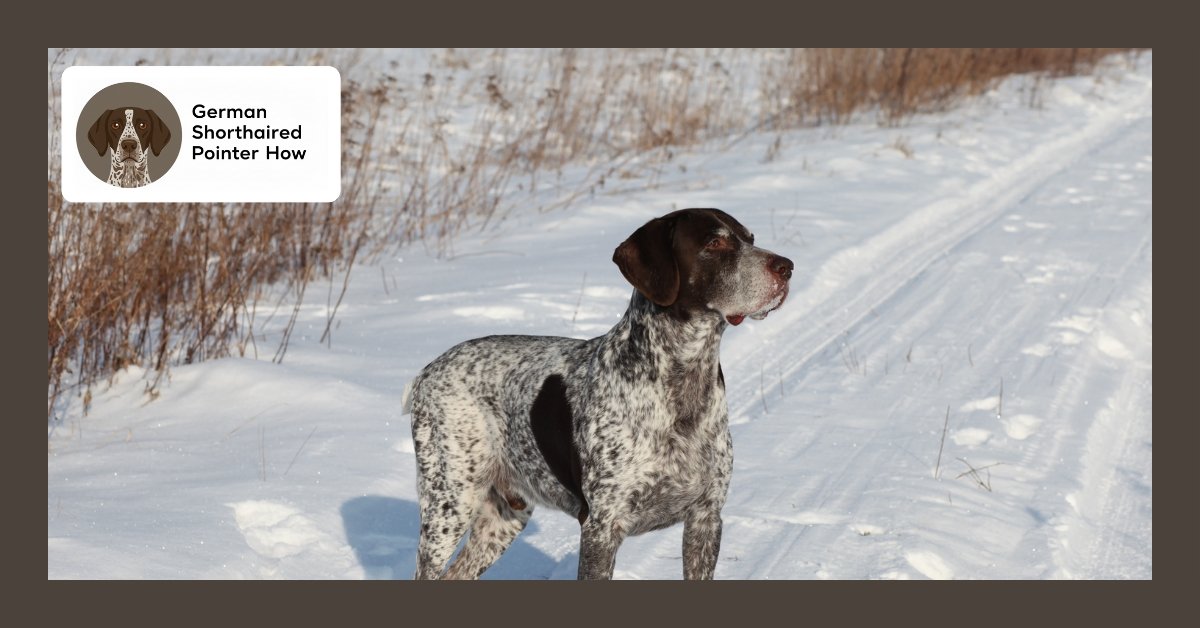
Did you know that anxiety and impulsivity can cause your German Shorthaired Pointer to go gray years earlier than expected? While most dog owners assume graying is purely age-related, recent research reveals surprising connections between your GSP’s emotional state and coat color changes.
Most German Shorthaired Pointers begin showing gray hair around 5 years old, typically starting on the muzzle. However, dogs with higher anxiety levels or impulsive behaviors may develop gray hair as early as 4 years old, according to peer-reviewed studies on canine aging patterns.
Understanding when do German Shorthaired Pointers go gray involves more than simple aging. This comprehensive guide explores the biological mechanisms, behavioral factors, and practical steps you can take to support your GSP’s coat health throughout their lifetime. According to recent canine health research, the relationship between stress and premature graying offers new insights for GSP owners.
The Science Behind German Shorthaired Pointer Graying
German Shorthaired Pointers go gray through the same biological process as other dog breeds. As dogs age, specialized cells called melanocytes gradually reduce melanin production, resulting in lighter-colored hair strands.
The graying process typically begins around the muzzle area because this region contains fewer melanocytes than other parts of the coat. This explains why you’ll notice the first gray hairs appearing on your GSP’s face before spreading to other areas.
Unlike some breeds that carry the progressive graying gene, GSPs don’t have a genetic predisposition to early graying. Their coat changes result primarily from age-related cellular changes and environmental factors.
Normal vs. Premature Graying Timeline
| Age Range | Graying Pattern | Classification |
|---|---|---|
| 5-7 years | Muzzle and face area | Normal aging |
| 4-5 years | Early muzzle graying | Slightly early |
| Under 4 years | Noticeable gray hairs | Premature graying |
| 8+ years | Widespread graying | Advanced aging |
Anxiety and Behavioral Factors in GSP Graying
Recent studies have revolutionized our understanding of when German Shorthaired Pointers go gray. A comprehensive 2016 study found that female dogs and dogs with higher anxiety or impulsivity levels develop gray hair significantly earlier than their calmer counterparts.
German Shorthaired Pointers, known for their high energy and intense personalities, may be particularly susceptible to stress-induced graying. Their breeding history as hunting dogs created individuals with heightened alertness and quick reactions, traits that can contribute to anxiety in modern domestic settings.
Common Anxiety Triggers for GSPs
- Loud noises (thunderstorms, fireworks, construction)
- Separation from family members
- Lack of adequate physical exercise
- Insufficient mental stimulation
- Changes in routine or environment
Addressing these triggers through proper training and environmental management may help delay premature graying in susceptible GSPs.
How to Identify Normal Graying vs. Health Concerns
Distinguishing between normal aging and potential health issues requires careful observation of your GSP’s overall condition. Normal graying appears gradually and follows predictable patterns, while sudden or patchy coat changes may indicate underlying problems.
Signs of Normal Graying
- Gradual appearance starting at the muzzle
- Symmetric patterns on both sides of the face
- No accompanying skin irritation or hair loss
- Consistent with the dog’s age and activity level
When to Consult Your Veterinarian
Schedule a veterinary consultation if your GSP shows gray hair before age 4, especially when accompanied by behavioral changes. Excessive anxiety, sudden personality shifts, or physical symptoms warrant professional evaluation.
Your veterinarian can assess whether early graying stems from stress, genetics, or underlying health conditions requiring treatment.
Managing Stress to Prevent Premature Graying
While you cannot prevent natural aging, implementing stress-reduction strategies may help delay premature graying in German Shorthaired Pointers. These active dogs require both physical and mental challenges to maintain emotional balance.
Effective Stress Management Techniques
Daily Exercise Requirements: GSPs need 60-90 minutes of vigorous exercise daily. Swimming, running, and retrieving games provide excellent outlets for their energy while reducing stress hormones. Understanding your GSP’s exercise needs is crucial for preventing anxiety-related behaviors.
Mental Stimulation: Puzzle toys, scent work, and training sessions engage their intelligent minds. Bored GSPs often develop anxiety-related behaviors that may contribute to premature graying.
Routine Establishment: Consistent daily schedules help anxious dogs feel secure. Regular feeding times, exercise periods, and bedtime routines reduce environmental stress.
Gradual Desensitization Protocol
- Identify your GSP’s specific anxiety triggers
- Start exposure at very low intensities
- Pair trigger exposure with positive experiences
- Gradually increase intensity over several weeks
- Maintain consistent training sessions
Professional dog trainers experienced with sporting breeds can provide customized desensitization programs for particularly anxious GSPs.
Coat Care and Maintenance for Aging GSPs
Proper grooming becomes increasingly important as German Shorthaired Pointers age and develop gray hair. Regular brushing distributes natural oils and removes dead hair, maintaining coat health regardless of color changes.
GSPs shed lightly year-round but experience heavier shedding during seasonal transitions. Gray hairs may appear more noticeable during shedding periods, but this represents normal coat renewal rather than accelerated aging.
High-quality nutrition supports coat health throughout your GSP’s lifetime. Omega-3 fatty acids, found in fish oil supplements, promote healthy skin and may slow age-related coat deterioration.
Breed Standards and Gray Hair Acceptance
The American Kennel Club breed standard for German Shorthaired Pointers includes “gray white” as an acceptable color variation, though this refers to specific coat patterns rather than age-related graying. Normal aging-related gray hair doesn’t disqualify GSPs from conformation events.
Understanding this distinction helps owners recognize that graying represents natural aging rather than deviation from breed standards. Show dogs may develop gray hair during their competitive careers without affecting their eligibility.
When German Shorthaired Pointers go gray, it reflects their individual aging process rather than breed-specific concerns. Embracing these natural changes while maintaining proper health care ensures your GSP enjoys a high quality of life throughout their golden years.
Frequently Asked Questions
At what age do German Shorthaired Pointers typically start going gray?
Most German Shorthaired Pointers begin showing gray hair around 5 years old, starting with the muzzle area. Some dogs may show early graying around 4 years old, particularly those with higher anxiety levels or impulsive personalities.
Can anxiety cause my GSP to go gray prematurely?
Yes, research indicates that dogs with higher anxiety and impulsivity levels develop gray hair earlier than calmer dogs. Managing your GSP’s stress through adequate exercise, mental stimulation, and training may help delay premature graying.
Is premature graying in German Shorthaired Pointers a health concern?
Premature graying before age 4 may indicate elevated stress levels but isn’t necessarily a serious health problem. However, if accompanied by behavioral changes or physical symptoms, consult your veterinarian for proper evaluation.
Do female German Shorthaired Pointers go gray faster than males?
Studies suggest that female dogs may be more prone to early graying than males. This applies to German Shorthaired Pointers as well, though individual factors like stress levels and genetics play significant roles.
Can I prevent my German Shorthaired Pointer from going gray?
You cannot prevent natural aging-related graying, but managing stress, providing adequate exercise, and maintaining proper nutrition may help delay premature graying. Focus on overall health rather than preventing inevitable age changes.
Will my GSP’s entire coat turn gray as they age?
Most German Shorthaired Pointers develop gray hair gradually, starting at the muzzle and potentially spreading to other areas. Complete coat graying is less common and typically occurs only in very senior dogs.
Should I change my GSP’s diet if they start going gray early?
While diet alone won’t reverse graying, ensuring high-quality nutrition with omega-3 fatty acids supports overall coat health. Consult your veterinarian about appropriate supplements if you notice premature graying accompanied by other coat changes.