
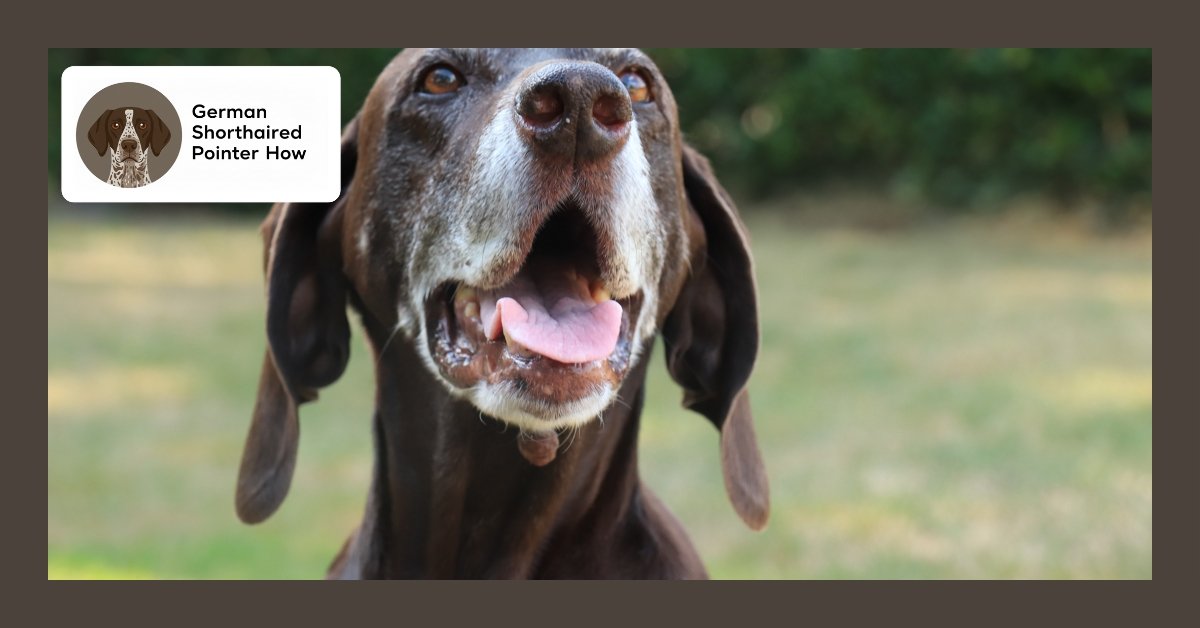
Did you know that many German Shorthaired Pointer puppies demonstrate natural pointing and retrieving skills as early as 7-8 weeks old when introduced to live birds? This remarkable instinct makes GSPs one of the most naturally gifted hunting breeds available to sportsmen today.
Training your German Shorthaired Pointer to hunt requires combining their natural abilities with structured obedience and field work, starting from puppyhood through systematic skill development that creates a reliable hunting companion for upland birds, waterfowl, and small game.
The key to success lies in understanding that everything you do from the moment your pup arrives home is teaching it something. Modern training approaches blend positive reinforcement with traditional field methods, creating versatile dogs that excel both in the field and as family companions. According to the German Shorthaired Pointer Club of America, proper foundation training is essential even for naturally talented dogs to achieve reliable performance.
Understanding Your GSP’s Natural Hunting Abilities
German Shorthaired Pointers are born with remarkable hunting instincts that set them apart from other breeds. Their genetic makeup includes pointing, retrieving, and tracking capabilities that emerge early in development.
These versatile hunters can tackle multiple game types throughout their careers. Their webbed feet and water-resistant coats make them excellent for waterfowl retrieves, while their keen noses and steady points excel in upland bird hunting. Many GSPs also successfully hunt small mammals like rabbits and can even track wounded deer.
Key Physical and Mental Traits
Your GSP possesses several characteristics that make hunting training more effective:
- High intelligence: Quick to learn and retain complex commands
- Boundless energy: Requires 1-2 hours of vigorous daily exercise
- Strong prey drive: Natural motivation to pursue and retrieve game
- Pack mentality: Eager to please and work with their handler
Understanding your GSP’s exercise needs is crucial for successful training, as proper physical conditioning directly impacts their ability to focus and learn during training sessions.
Essential Foundation Training for Hunting Success
Building a solid foundation starts the moment your puppy comes home. Basic obedience forms the cornerstone of all advanced hunting skills, and skipping these fundamentals leads to problems later in field training.
Core Commands Every Hunting GSP Must Master
Start with these essential commands using short 5-10 minute training sessions:
- Sit: Foundation for steadiness and control
- Stay/Whoa: Critical for pointing and shot steadiness
- Recall (Come): Essential safety command
- Heel: Maintains position while walking or hunting
- Down: Advanced control for various hunting situations
For young puppies, establishing reliable recall is fundamental for safety and control. Our comprehensive puppy recall training guide provides detailed techniques specifically designed for GSP temperament and learning patterns.
Age-Appropriate Training Timeline
| Age | Training Focus | Skills Introduced |
|---|---|---|
| 8-12 weeks | Basic obedience | Sit, name recognition, house training |
| 12-16 weeks | Expanded commands | Stay, recall, heel, “hunt dead” introduction |
| 4-6 months | Field introduction | Live bird exposure, water introduction |
| 6-8 months | Advanced skills | Steadiness to shot, honoring other dogs |
| 8-12 months | Field refinement | Complex retrieves, range control |
Step-by-Step Guide to Training Your German Shorthaired Pointer to Hunt
Successful hunting dog development follows a logical progression that builds upon previous skills. Rushing this process often creates problems that require extensive correction later.
Phase 1: Foundation Building (8-16 weeks)
Begin with basic obedience in controlled environments. Use positive reinforcement techniques including praise, play, and treats. Keep sessions short but consistent to maintain your puppy’s attention and enthusiasm.
Introduce the “hunt dead” command using training dummies or bird wings. This teaches your GSP to search for and retrieve downed game. Start in small areas and gradually expand the search zone as your dog’s confidence grows.
Phase 2: Live Bird Introduction (4-6 months)
Many experienced trainers introduce live quail or pigeons to young GSPs to develop natural pointing instincts. The excitement of live birds often triggers inherited behaviors that can be shaped through training.
Start with clipped-wing birds in enclosed areas. Allow your GSP to find and point the bird, then reward the behavior with praise and play. Gradually add the “whoa” command to maintain steadiness on point.
Phase 3: Advanced Field Skills (6+ months)
Once basic pointing and retrieving are established, introduce more complex scenarios. Practice steadiness to shot by firing blank pistols during training sessions. This prevents gun shyness and teaches your dog to remain calm during actual hunting situations.
Work on honoring other dogs’ points by having your GSP remain steady when another dog finds game. This skill is essential for hunting with multiple dogs and demonstrates advanced training. For detailed pointing techniques, refer to our guide on training your German Shorthaired Pointer to point.
Troubleshooting Common Training Challenges
Even naturally talented GSPs encounter training obstacles. Understanding these challenges and their solutions prevents minor issues from becoming major problems.
Addressing Retrieving Problems
Some GSPs become possessive over retrieved birds or refuse to deliver to hand. Combat this by making the exchange positive and rewarding. Never chase or force the issue, as this creates negative associations.
Practice “forced fetch” training if problems persist. This systematic approach teaches your dog that holding and delivering objects is mandatory, not optional.
Managing Overexcitement and Range Issues
High-energy GSPs sometimes become overstimulated in the field, leading to poor range control or ignoring commands. Address this through:
- Increased daily exercise to reduce pent-up energy
- Regular training sessions in distracting environments
- Use of electronic training collars for reliable long-distance communication
Modern Training Methods and Equipment
Today’s hunters have access to training tools that previous generations couldn’t imagine. While traditional methods remain valuable, incorporating modern techniques often accelerates progress and improves results.
Positive Reinforcement Techniques
Contemporary trainers emphasize reward-based methods over punishment-focused approaches. This shift aligns with current animal behavior research and creates more confident, eager hunters.
Use food rewards, play sessions, and enthusiastic praise to reinforce desired behaviors. This approach builds stronger handler-dog bonds and maintains training enthusiasm throughout the process.
Technology Integration
GPS tracking collars allow handlers to monitor their dog’s location and movement patterns during training. This data helps identify range issues and tracking behaviors that need refinement.
Electronic training collars provide reliable communication at distances where voice commands become ineffective. When used properly, these tools enhance safety and control without damaging the human-dog relationship.
Seasonal Training Considerations and Hunt Tests
Training effectiveness varies throughout the year, and smart handlers adjust their programs accordingly. Understanding seasonal factors helps maximize progress and prepare for hunting seasons.
Spring and early summer provide ideal conditions for water training and basic field work. Cooler temperatures prevent overheating while abundant bird activity maintains interest and motivation.
Participation in AKC hunting tests and North American Versatile Hunting Dog Association (NAVHDA) events provides structured evaluation opportunities. These competitions offer standardized benchmarks for measuring progress and identifying areas needing improvement.
Building a Lifelong Hunting Partnership
Successful GSP training extends beyond teaching hunting skills. Creating a well-rounded companion requires balancing field abilities with household manners and social skills.
Regular exposure to different environments, people, and other dogs prevents behavioral problems and ensures your GSP remains confident in various situations. This socialization directly impacts field performance by creating adaptable, focused hunters.
Connection with local GSP clubs and experienced mentors accelerates learning and helps avoid common training pitfalls. These networks provide ongoing support and troubleshooting resources throughout your dog’s development.
Training your German Shorthaired Pointer to hunt successfully requires patience, consistency, and understanding of your dog’s natural abilities. By following structured progressions, addressing challenges promptly, and maintaining positive training environments, you’ll develop a capable hunting companion that excels both in the field and at home. Remember that every interaction shapes your dog’s development, making daily consistency more valuable than occasional intensive sessions.
Frequently Asked Questions
What age should I start training my German Shorthaired Pointer to hunt?
Start basic obedience training immediately when your puppy arrives home, typically around 8 weeks old. Introduce “hunt dead” commands and basic field exposure by 12-16 weeks. Live bird introduction can begin around 4-6 months, with advanced skills like steadiness to shot developed by 6-8 months.
How much exercise does a GSP need during training?
German Shorthaired Pointers require 1-2 hours of vigorous daily exercise throughout their training period and beyond. Adequate exercise prevents boredom-related behavioral problems and maintains focus during training sessions. Mental stimulation through training activities counts toward this requirement.
Can I train my GSP to hunt multiple types of game?
Yes, GSPs are naturally versatile hunters capable of pursuing upland birds, waterfowl, and small mammals like rabbits. Their webbed feet and water-resistant coats make them excellent for both land and water retrieves. Start with one game type and gradually introduce others as skills develop.
What should I do if my GSP won’t retrieve birds?
Retrieving problems often stem from negative associations or lack of proper introduction. Use positive reinforcement with training dummies first, then gradually introduce bird wings and finally whole birds. If problems persist, consider “forced fetch” training under the guidance of an experienced trainer.
How do I prevent gun shyness in my hunting GSP?
Introduce gunshots gradually, starting with distant, quiet sounds during positive activities like feeding or play. Progress to blank pistols fired at increasing proximity during successful training sessions. Never fire guns near a startled or nervous dog, as this creates lasting negative associations.
Should I use an electronic training collar on my GSP?
Electronic collars can be valuable tools for long-distance communication and safety, but require proper introduction and technique. Start with the lowest effective stimulation level and always pair corrections with clear commands. Consider professional guidance to ensure proper use and avoid creating fear or confusion.
How long does it take to fully train a German Shorthaired Pointer to hunt?
Basic hunting skills typically develop over 12-18 months, but refinement continues throughout the dog’s lifetime. Natural ability varies between individuals, with some dogs showing advanced skills by 8-10 months while others require additional time and patience. Consistent training and exposure are more important than rushing the timeline.