
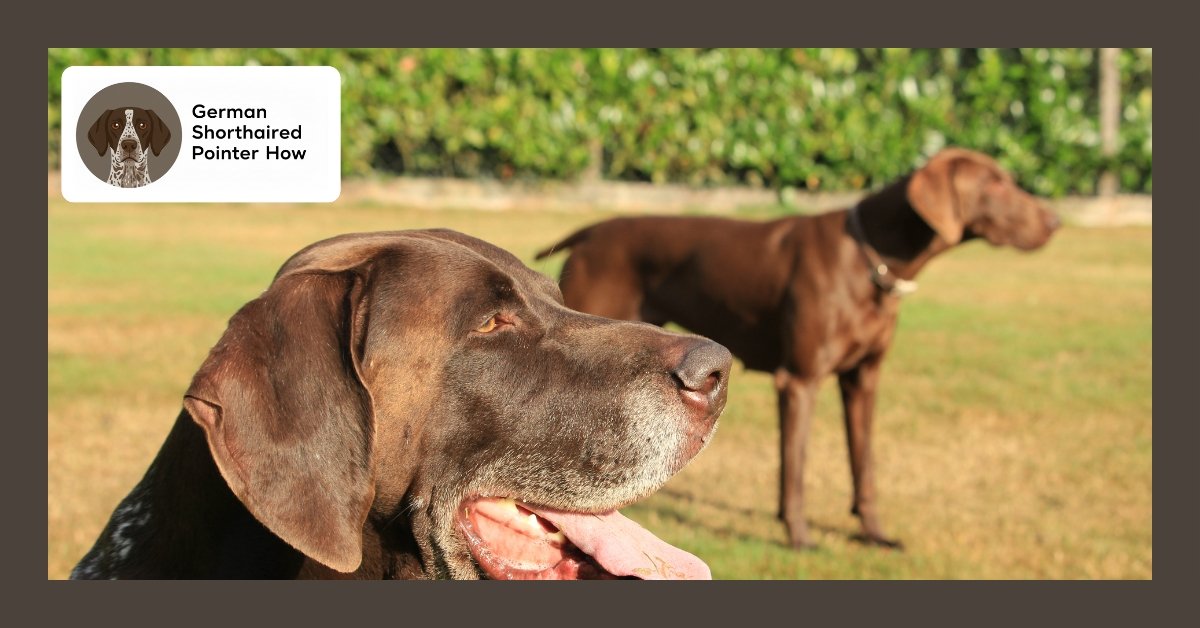
Have you ever spotted a stunning German Shorthaired Pointer sporting a sleek black nose instead of the traditional brown? You’re not imagining things. While these athletic hunting dogs are typically associated with liver-colored coats and brown noses, black-nosed GSPs are becoming increasingly recognized in the canine world.
A German Shorthaired Pointer with a black nose is a variation that nearly always appears alongside a black or black roan coat. While the American Kennel Club (AKC) traditionally favors brown noses in their breed standard, several international kennel clubs, including Dogs NSW in Australia, now officially recognize and accept black noses in black-coated GSPs as perfectly acceptable.
This comprehensive guide explores everything you need to know about GSPs with black noses, from genetics and breed standards to health considerations and what this means if you’re considering bringing one home. According to the American Kennel Club, understanding breed variations helps owners make informed decisions about their future companions.
Understanding the German Shorthaired Pointer Breed Standard
The German Shorthaired Pointer is a versatile, medium-sized hunting dog prized for its intelligence, athleticism, and exceptional stamina. Breed standards, however, vary significantly depending on which kennel club you consult.
Traditional AKC Standards
The AKC breed standard explicitly states: “The nose is brown, the larger the better, and with nostrils well opened and broad. A spotted nose is not desirable. A flesh colored nose disqualifies.” This standard has historically favored liver or brown noses over any other coloration.
For decades, this guideline meant that GSPs with black noses faced challenges in AKC-sanctioned show rings. Many breeders in North America avoided breeding dogs with black coloring to maintain conformity with these standards.
International Recognition and Acceptance
The landscape looks quite different internationally. Dogs NSW in Australia updated their breed standard to state that nose color should be “Basically brown, however black in black or black roan dogs.” This reflects a growing acceptance of natural genetic variation within the breed.
Similar progressive standards have emerged across Europe and other regions. These changes acknowledge that black-nosed GSPs represent legitimate genetic variants rather than flaws or impurities in the breeding line.
The Genetics Behind Black Noses in German Shorthaired Pointers
Understanding the genetics helps dispel common myths surrounding black-nosed GSPs. The color of a dog’s nose directly correlates with its coat pigmentation, governed by specific genetic markers.
How Coat Color Determines Nose Color
Black noses in GSPs appear almost exclusively in dogs with black or black roan coats. This isn’t random but follows predictable genetic patterns of pigment distribution throughout the dog’s body.
The genes responsible for coat color also influence nose, eye rim, and lip pigmentation. When a GSP inherits genes for black coat pigmentation, the nose naturally develops black coloring as well.
Debunking the “New Mutation” Myth
Some critics argue that black-nosed GSPs represent recent genetic introductions or impure bloodlines. Historical evidence contradicts this claim entirely.
Breed historians and experienced breeders have documented black coloring in German Shorthaired Pointers for at least 90 years. This variation existed in traditional European lines long before modern breed standards became rigid in certain countries.
| Kennel Club | Region | Black Nose Acceptance | Standard Details |
|---|---|---|---|
| AKC | United States | Not Preferred | Brown nose required; black considered fault |
| Dogs NSW | Australia | Fully Accepted | Black acceptable in black/black roan dogs |
| FCI | Europe | Increasingly Accepted | Varies by country; growing recognition |
| UK Kennel Club | United Kingdom | Conditional Acceptance | Accepted with appropriate coat color |
Health Considerations: Does Nose Color Matter?
One of the most important questions for prospective owners concerns whether nose color affects a dog’s health or working ability. The answer might surprise you.
Black Noses and Overall Health
No documented evidence links nose color to health problems in German Shorthaired Pointers. Black-nosed GSPs are just as healthy, vigorous, and long-lived as their brown-nosed counterparts.
The only nose color that raises legitimate health concerns is flesh-colored or pink. Lack of pigmentation can increase susceptibility to sunburn and certain skin conditions, but this doesn’t apply to fully pigmented black noses.
Breed-Specific Health Screening
Regardless of nose color, all German Shorthaired Pointers should be screened for common inherited conditions:
- Hip dysplasia and other joint conditions
- Progressive Retinal Atrophy (PRA)
- Von Willebrand’s Disease
- Hypothyroidism
These health concerns relate to genetic lines and breeding practices, not coat or nose coloration. Responsible breeders conduct health testing regardless of their dogs’ appearance. Maintaining proper dental care for your German Shorthaired Pointer is also essential for overall health and wellbeing.
What Black Noses Mean for Breeders and Show Competitors
The practical implications of owning or breeding a black-nosed GSP vary dramatically based on your location and goals. Understanding these nuances helps set realistic expectations.
Showing Your German Shorthaired Pointer
If you plan to compete in AKC conformation shows in the United States, a black nose will likely be penalized as a fault. Judges adhering strictly to AKC standards favor brown noses, potentially limiting your success in the show ring.
However, international competitions present different opportunities. In Australia, parts of Europe, and other regions with updated breed standards, black-nosed GSPs compete on equal footing with traditional colorations.
Breeding Considerations and Pricing
Some U.S. breeders discount puppies with black noses since they’re ineligible for AKC show championships. This practice doesn’t reflect reduced quality but rather market demand driven by show standards.
Progressive breeders, particularly those focusing on working ability or international markets, value genetic diversity. They recognize that black-nosed GSPs maintain all the intelligence, drive, and physical capabilities that make the breed exceptional. Understanding when to breed a German Shorthaired Pointer involves considering health, temperament, and genetic diversity rather than just cosmetic features.
How to Choose a German Shorthaired Pointer with a Black Nose
If you’re considering adding a black-nosed GSP to your family, following these steps ensures you find a healthy, well-bred companion.
Step 1: Clarify Your Goals
Determine whether you want a companion, hunting partner, or show dog. Your goals significantly influence which breeder and bloodlines suit your needs.
Step 2: Research Reputable Breeders
Look for breeders who conduct comprehensive health testing and openly discuss their breeding philosophy. Reputable breeders willingly share health certificates and allow you to meet parent dogs.
Step 3: Verify Health Clearances
Request documentation of health screenings for hips, eyes, and genetic conditions. These matter infinitely more than cosmetic features like nose color.
Step 4: Assess Temperament and Working Ability
Meet the puppy’s parents if possible and observe their temperament. GSPs should be friendly, energetic, and eager to please regardless of coloration.
Step 5: Understand Regional Standards
If showing matters to you, verify which kennel club standards apply in your region. This prevents disappointment and helps you make informed decisions.
Living with a Black-Nosed German Shorthaired Pointer
Daily life with a GSP remains consistent regardless of nose color. These energetic, intelligent dogs require commitment and active engagement from their owners.
Exercise and Mental Stimulation Needs
German Shorthaired Pointers need substantial daily exercise, typically 60 to 90 minutes of vigorous activity. They excel at running, swimming, hiking, and various dog sports. Learn more about how much exercise German Shorthaired Pointers need to keep them healthy and happy.
Mental stimulation proves equally important. Puzzle toys, training sessions, and scent work help prevent boredom-related behaviors like excessive barking or destructive chewing.
Grooming and Maintenance
The breed’s short coat requires minimal grooming compared to longer-haired breeds. Weekly brushing removes loose hair and distributes natural oils, while occasional baths keep the coat clean and healthy.
Check and clean ears regularly, especially after swimming or hunting. Trim nails monthly and maintain dental hygiene through regular brushing or dental chews.
Working Ability and Field Performance
In hunting and field work, performance trumps appearance every time. Black-nosed GSPs perform identically to brown-nosed dogs in pointing, retrieving, and tracking.
Many field trial enthusiasts prioritize working ability over conformation standards. If your focus is hunting or field competitions, nose color becomes completely irrelevant to your dog’s value and capability.
The Future of Black-Nosed GSPs in Breed Standards
Trends suggest growing acceptance of color variation within the German Shorthaired Pointer breed. As genetic understanding advances and international perspectives influence traditional organizations, attitudes continue evolving.
Educational efforts by breed historians highlighting the long-standing presence of black coloring help counter misconceptions. More owners and breeders now recognize that genetic diversity strengthens rather than weakens breed integrity.
Whether the AKC will eventually modify its standards remains uncertain. However, the international movement toward acceptance indicates that black-nosed GSPs will likely gain broader recognition in coming years.
Key Takeaways
Understanding German Shorthaired Pointers with black noses requires looking beyond outdated misconceptions and examining current breed standards, genetics, and practical considerations.
Black noses appear naturally in GSPs with black or black roan coats and reflect legitimate genetic variation present in the breed for nearly a century. These dogs are equally healthy, capable, and worthy of recognition as their brown-nosed counterparts.
While AKC standards in the United States still favor brown noses, international kennel clubs increasingly accept black noses as appropriate for black-coated dogs. This discrepancy matters primarily for show competitors but has minimal impact on companion dogs or working animals.
Whether you’re considering a German Shorthaired Pointer with a black nose or simply curious about breed variations, focus on health, temperament, and the dog’s suitability for your lifestyle. These factors determine your satisfaction far more than cosmetic features like nose color.
Frequently Asked Questions
Are German Shorthaired Pointers with black noses purebred?
Yes, German Shorthaired Pointers with black noses are absolutely purebred. Black coloring has existed in GSP bloodlines for at least 90 years and represents natural genetic variation rather than crossbreeding. The color appears when dogs inherit specific genes for black pigmentation, which affects both coat and nose color simultaneously. Some kennel clubs, particularly outside the United States, fully recognize black-nosed GSPs in their official breed standards.
Can I show a German Shorthaired Pointer with a black nose in AKC competitions?
You can register and show a black-nosed GSP in AKC events, but it will likely be penalized in conformation shows since the AKC standard specifies brown noses. However, black-nosed GSPs can compete successfully in performance events like field trials, agility, and obedience where working ability matters more than appearance. International shows under FCI or other organizations may offer better opportunities depending on regional standards that accept black noses in appropriately colored dogs.
Do German Shorthaired Pointers with black noses have different health issues?
No, nose color does not affect health in German Shorthaired Pointers. Black-nosed GSPs face the same breed-specific health considerations as brown-nosed dogs, including potential hip dysplasia, eye conditions, and other inherited issues. The only nose color associated with health concerns is flesh-colored or pink, which lacks protective pigmentation and increases sunburn risk. Black noses actually provide excellent pigmentation and protection, making health concerns related to nose color nonexistent.
Are black-nosed German Shorthaired Pointers less expensive than brown-nosed ones?
Pricing varies by breeder and region. Some U.S. breeders focused on AKC show prospects may discount black-nosed puppies since they face limitations in conformation competition. However, breeders prioritizing working ability, genetic diversity, or international markets often price all puppies equally regardless of nose color. In regions where black noses are fully accepted in breed standards, such as Australia, pricing differences typically don’t exist at all.
What coat colors appear with black noses in German Shorthaired Pointers?
Black noses in German Shorthaired Pointers almost exclusively appear with black or black roan coats. This correlation occurs because the same genes controlling coat pigmentation also determine nose color. You will rarely, if ever, see a black nose paired with liver or brown coat coloring, as these represent different genetic pathways. The pigmentation remains consistent across the dog’s body, creating the natural pairing of black coat with black nose.
Can two brown-nosed German Shorthaired Pointers produce black-nosed puppies?
Yes, if both brown-nosed parents carry recessive genes for black pigmentation, they can produce black-nosed puppies with black coats. Coat and nose color genetics follow predictable inheritance patterns, but recessive genes can remain hidden for generations. This explains why black-nosed puppies occasionally appear in litters from brown-nosed parents, surprising owners unfamiliar with the genetic diversity present in GSP bloodlines. Genetic testing can identify carriers of black pigmentation genes.
Are black-nosed German Shorthaired Pointers good hunting dogs?
Absolutely. Nose color has zero impact on hunting ability, scenting capability, or working drive in German Shorthaired Pointers. Black-nosed GSPs possess the same exceptional pointing instincts, retrieving skills, and stamina that make the breed outstanding for hunting. Field performance depends on breeding for working traits, proper training, and individual temperament rather than cosmetic features. Many successful field trial dogs and hunting companions sport black noses without any reduction in capability.