
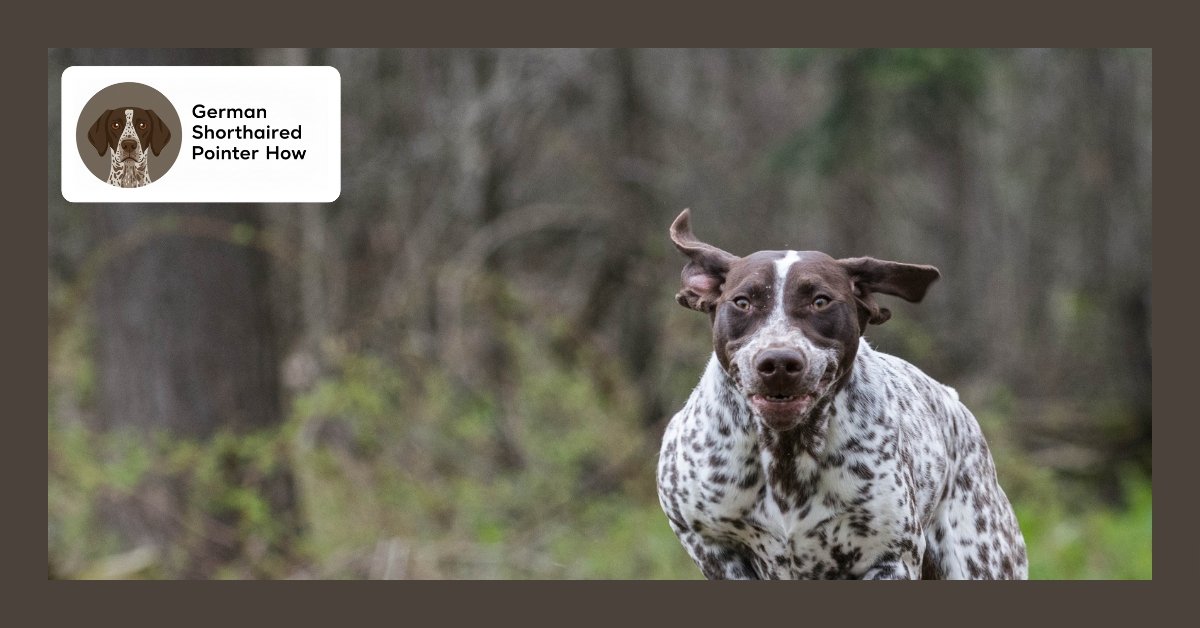
If you own a German Shorthaired Pointer, you’ve likely experienced their enthusiastic tongue on your hands, face, or furniture more times than you can count. While a little licking is normal canine behavior, GSP owners often wonder if their dog’s excessive licking crosses the line into concerning territory.
German Shorthaired Pointers lick excessively due to a combination of behavioral traits and potential medical issues. Their intelligent, affectionate nature drives them to lick for attention and bonding, but underlying causes like allergies, gastrointestinal distress, anxiety, skin conditions, or pain can also trigger this behavior. Understanding the root cause is essential for proper treatment.
This comprehensive guide explores why your GSP might be licking so much, how to identify the underlying cause, and what you can do to help your beloved companion find relief. According to recent veterinary research, up to 60% of excessive licking cases are linked to gastrointestinal issues, making this behavior more than just a quirky habit.
Understanding the German Shorthaired Pointer Temperament
Before diving into why do German Shorthaired Pointers lick so much, it’s important to understand this breed’s unique personality. GSPs are highly intelligent, energetic hunting dogs bred for close cooperation with their human handlers.
This breeding history makes them exceptionally people-oriented and emotionally sensitive. They form deep bonds with their families and constantly seek interaction and approval.
These traits mean GSPs are more prone to attention-seeking behaviors, including licking, compared to more independent breeds. Their high energy levels also make them susceptible to boredom and anxiety when their physical and mental needs aren’t met.
Behavioral Reasons Why German Shorthaired Pointers Lick Excessively
Many GSPs lick simply because of their temperament and emotional needs. Understanding these behavioral triggers can help you address the root cause.
Affection and Bonding
Licking is a natural way dogs show affection, and GSPs are particularly demonstrative. When your GSP licks your hands or face, they’re often expressing love and reinforcing the bond between you.
This behavior stems from puppyhood when mothers lick their pups. Your GSP may also be seeking the endorphin release that licking provides, creating a self-reinforcing cycle of feel-good behavior.
Attention-Seeking Behavior
German Shorthaired Pointers thrive on interaction. If your dog has learned that licking gets your attention (even negative attention like pushing them away), they’ll continue the behavior.
This becomes especially pronounced in intelligent breeds like GSPs who quickly learn cause-and-effect relationships. Every time you respond to licking, you’re potentially reinforcing it.
Boredom and Under-Stimulation
GSPs were bred to hunt for hours in the field. Without adequate physical exercise and mental stimulation, they develop displacement behaviors like excessive licking.
Consider whether your GSP is getting enough activity. These dogs typically need 60-90 minutes of vigorous exercise daily, plus mental challenges like puzzle toys or training sessions.
Anxiety and Stress
Changes in routine, new family members, moving homes, or extended alone time can trigger anxiety in sensitive GSPs. Licking becomes a self-soothing mechanism similar to thumb-sucking in children.
Some GSPs develop separation anxiety and lick excessively when their owners are away. Others respond to environmental stressors like thunderstorms or fireworks with compulsive licking.
Medical Causes of Excessive Licking in GSPs
While behavioral factors are common, medical issues frequently drive excessive licking. Ignoring potential health problems can lead to serious complications, so veterinary evaluation is crucial.
Allergies: A Leading Culprit
Food allergies and environmental allergens (pollen, dust mites, mold) are among the most common medical causes of licking. Allergies cause intense itching, prompting dogs to lick affected areas for relief.
GSPs with allergies often lick their paws, belly, or base of the tail. You may notice redness, hair loss, or skin discoloration in these areas. Learn more about German Shorthaired Pointer allergies and treatment options to address these issues effectively.
Gastrointestinal Distress
Surprisingly, stomach issues are responsible for up to 60% of excessive licking cases. Nausea, acid reflux, inflammatory bowel disease, or dietary sensitivities can all trigger licking behavior.
Dogs may lick the air, floors, or objects when experiencing GI discomfort. This often accompanies other symptoms like decreased appetite, vomiting, or changes in stool quality.
Skin Infections and Dermatitis
Bacterial, yeast, or fungal infections create irritation that drives licking. Hot spots (acute moist dermatitis) can develop quickly in GSPs, especially in warm weather.
Parasites like fleas, ticks, or mites also cause intense itching. Even a single flea bite can trigger allergic reactions in sensitive dogs, leading to widespread licking.
Pain and Injury
Dogs instinctively lick painful areas. If your GSP focuses on a specific body part, they may have an injury, arthritis, or joint pain.
Licking releases endorphins that provide temporary pain relief. Older GSPs are particularly prone to arthritis-related licking, especially of joints like elbows or hips.
Dental and Oral Problems
Tooth pain, gum disease, or oral injuries can cause unusual licking patterns. Dogs with dental issues may lick the air, objects, or their lips excessively.
Bad breath, difficulty eating, or pawing at the mouth often accompany oral health problems. Regular dental care for your German Shorthaired Pointer is essential for preventing these issues.
Neurological Issues and Compulsive Disorders
In rare cases, compulsive licking indicates obsessive-compulsive disorder (OCD) or neurological problems. Some dogs develop focal seizures that manifest as air licking or repetitive tongue movements.
True compulsive licking is difficult to interrupt and may continue for extended periods. These cases typically require veterinary behaviorist intervention and sometimes medication.
How to Identify the Cause of Your GSP’s Licking
Determining why your German Shorthaired Pointer licks so much requires careful observation and often veterinary help. Follow these steps to pinpoint the underlying issue.
Document the Behavior
Keep a log of when, where, and what your GSP licks. Note whether they target specific body parts, objects, or people.
Record any patterns related to time of day, activities, or environmental changes. This information helps your veterinarian make an accurate diagnosis.
Check for Physical Symptoms
Examine your dog’s skin for redness, swelling, hair loss, bumps, or discharge. Inspect their paws between the toes where moisture and debris can cause problems.
Look in their mouth for inflamed gums, loose teeth, or unusual growths. Any physical abnormalities warrant veterinary attention.
Assess Environmental and Behavioral Factors
Evaluate your GSP’s daily routine. Are they getting adequate exercise and mental stimulation? Have there been recent changes in the household?
Consider whether the licking occurs during specific situations like when you leave home, during storms, or when visitors arrive. Context clues reveal behavioral triggers.
When to See Your Veterinarian
Schedule a veterinary appointment if licking is persistent, targets specific areas, or accompanies other symptoms. Your vet can perform diagnostic tests to rule out medical causes.
Blood work, skin scrapings, allergy testing, or imaging may be necessary. Don’t delay seeking professional help, as some conditions worsen without treatment.
Behavioral vs. Medical Licking: Key Differences
| Factor | Behavioral Licking | Medical Licking |
|---|---|---|
| Timing | Situational (when bored, seeking attention, during stress) | Constant or frequent regardless of situation |
| Target | People, furniture, varied objects | Specific body parts, focused areas |
| Physical Signs | No redness, swelling, or skin changes | Visible irritation, hair loss, discoloration |
| Response to Distraction | Easily redirected with activities or commands | Difficult to interrupt, returns immediately |
| Additional Symptoms | None beyond licking | May include GI upset, limping, lethargy, appetite changes |
Solutions for Reducing Excessive Licking in Your GSP
Once you’ve identified the cause, you can implement targeted solutions. Most cases benefit from a multi-faceted approach combining medical treatment and behavioral modification.
Medical Interventions
Follow your veterinarian’s treatment plan for diagnosed medical conditions. This may include antibiotics for infections, allergy medications, pain management, or dietary changes for GI issues.
Maintain regular flea and tick prevention year-round. Keep up with dental cleanings to prevent oral health problems that trigger licking.
Increase Physical Exercise
Ensure your GSP gets sufficient daily exercise appropriate for their age and health status. These athletic dogs need vigorous activities like running, swimming, or field work.
A tired GSP is a well-behaved GSP. Adequate physical outlets reduce boredom-related licking significantly.
Provide Mental Stimulation
Challenge your dog’s intelligent mind with puzzle toys, scent work, obedience training, or interactive games. Mental exercise is as important as physical activity for preventing behavioral issues.
Rotate toys regularly to maintain novelty and interest. Consider enrolling in advanced training classes or dog sports that engage both mind and body.
Establish Consistent Routines
GSPs thrive on predictability. Create consistent daily schedules for feeding, exercise, and quiet time to reduce anxiety-driven licking.
Avoid reinforcing licking behavior by ignoring it when it occurs. Instead, reward your dog for calm behavior and redirect to appropriate activities.
Address Anxiety and Stress
For anxiety-related licking, gradual desensitization and counter-conditioning can help. Work with a certified dog trainer or veterinary behaviorist for severe cases.
Consider calming aids like anxiety wraps, pheromone diffusers, or supplements (after veterinary consultation). Some dogs benefit from anti-anxiety medication for obsessive-compulsive behaviors.
Environmental Modifications
If allergies are the culprit, reduce environmental triggers by using air purifiers, washing bedding frequently, and wiping paws after outdoor activities. Hypoallergenic diets may help dogs with food sensitivities.
Protect irritated skin by using protective collars temporarily to allow healing. Apply veterinarian-recommended topical treatments to soothe inflammation.
Step-by-Step Action Plan for GSP Owners
Follow this systematic approach to address your German Shorthaired Pointer’s excessive licking:
- Observe and Document: Track licking patterns, frequency, and targets for at least one week to identify trends.
- Physical Examination: Check your dog’s skin, paws, mouth, and overall condition for visible problems.
- Evaluate Lifestyle: Assess whether your GSP’s exercise, mental stimulation, and routine meet their needs.
- Veterinary Consultation: Schedule an appointment if licking is persistent or accompanies other symptoms.
- Implement Treatment: Follow medical recommendations and begin behavioral modifications simultaneously.
- Monitor Progress: Continue tracking licking behavior to measure improvement and adjust strategies as needed.
- Long-Term Prevention: Maintain healthy routines, regular veterinary care, and appropriate stimulation to prevent relapse.
Preventing Excessive Licking Before It Starts
Proactive care can minimize licking problems in German Shorthaired Pointers. Start with proper socialization and training from puppyhood to build confidence and reduce anxiety.
Establish exercise and enrichment routines that meet your GSP’s high energy needs. Prevent boredom by varying activities and providing appropriate outlets for their hunting instincts.
Maintain regular veterinary checkups to catch medical issues early. Keep vaccinations, parasite prevention, and dental care current to avoid health problems that trigger licking.
Key Takeaways
Understanding why do German Shorthaired Pointers lick so much requires examining both behavioral and medical factors. This breed’s affectionate, intelligent nature makes them prone to attention-seeking and anxiety-related licking, while their active lifestyle can expose them to injuries and allergens.
Medical causes ranging from allergies to gastrointestinal distress account for the majority of excessive licking cases. Proper diagnosis through veterinary examination is essential for effective treatment and preventing complications.
A comprehensive approach combining medical care, adequate exercise, mental stimulation, and consistent routines offers the best outcome. With patience and proper intervention, you can help your GSP overcome excessive licking and enjoy a healthier, happier life.
Don’t ignore persistent licking in your German Shorthaired Pointer. Early intervention prevents minor issues from becoming serious problems and ensures your loyal companion receives the care they deserve.
Frequently Asked Questions
Is it normal for German Shorthaired Pointers to lick more than other breeds?
Yes, GSPs tend to lick more than many other breeds due to their affectionate, people-oriented temperament. Their breeding as close-working hunting dogs created strong bonding instincts that manifest through physical contact, including licking. However, excessive licking that seems compulsive, targets specific areas, or accompanies physical symptoms is not normal and requires evaluation. Moderate licking as a greeting or sign of affection is typical GSP behavior.
How do I know if my GSP’s licking is caused by allergies?
Allergy-related licking typically focuses on specific areas like paws, belly, groin, or face. You’ll often notice redness, hair loss, skin discoloration, or a musty odor in affected areas. Seasonal patterns suggest environmental allergies, while year-round symptoms may indicate food allergies. Your dog may also exhibit ear infections, watery eyes, or sneezing. Definitive diagnosis requires veterinary allergy testing through blood work or intradermal skin testing to identify specific allergens.
Can excessive licking in German Shorthaired Pointers indicate gastrointestinal problems?
Absolutely. Recent veterinary research shows up to 60% of excessive licking cases stem from GI issues. Dogs with stomach discomfort, nausea, acid reflux, or inflammatory bowel disease often lick floors, carpets, or the air rather than their bodies. Watch for accompanying signs like decreased appetite, vomiting, diarrhea, weight loss, or loud stomach sounds. If your GSP exhibits unusual licking patterns combined with digestive symptoms, consult your veterinarian for evaluation and possible dietary modifications or GI treatments.
What should I do if my German Shorthaired Pointer licks one spot obsessively?
Focused licking of a single spot typically indicates a localized problem requiring immediate veterinary attention. This could be pain from an injury, arthritis in a joint, a skin infection, or a foreign object like a thorn. Examine the area for visible abnormalities, swelling, or sensitivity. Prevent further licking with an Elizabethan collar until your vet can examine your dog. Persistent licking can create hot spots and secondary infections, so prompt intervention is crucial to prevent complications.
How much exercise does a German Shorthaired Pointer need to prevent boredom-related licking?
Adult GSPs typically require 60-90 minutes of vigorous exercise daily, split into multiple sessions. This should include activities that engage their hunting instincts like running, swimming, retrieving, or field work. Mental stimulation through training, puzzle toys, and scent games is equally important. Puppies and seniors need modified exercise appropriate to their age. Insufficient physical and mental outlets lead to destructive behaviors including excessive licking, chewing, and hyperactivity. Adjust exercise based on your individual dog’s energy level and health status.
Can anxiety medication help German Shorthaired Pointers who lick excessively?
For GSPs with anxiety-driven or compulsive licking that doesn’t respond to behavioral modification alone, medication can be beneficial. Veterinarians may prescribe anti-anxiety medications like fluoxetine or clomipramine for obsessive-compulsive disorders. However, medication works best when combined with behavior modification, environmental enrichment, and consistent training. Never medicate without veterinary supervision, as proper diagnosis ensures the licking isn’t caused by underlying medical issues. Short-term anti-anxiety supplements or pheromone products may help milder cases before considering prescription medications.
When should I be most concerned about my GSP’s licking behavior?
Seek immediate veterinary care if licking is accompanied by lethargy, loss of appetite, vomiting, diarrhea, limping, or visible wounds. Also concerning are sudden behavioral changes, licking that prevents normal activities like eating or sleeping, self-mutilation through licking, or neurological signs like disorientation or seizure-like behaviors. Air licking combined with lip smacking may indicate nausea or oral pain requiring urgent evaluation. Trust your instincts – you know your dog best, and any dramatic change in behavior warrants professional assessment.