
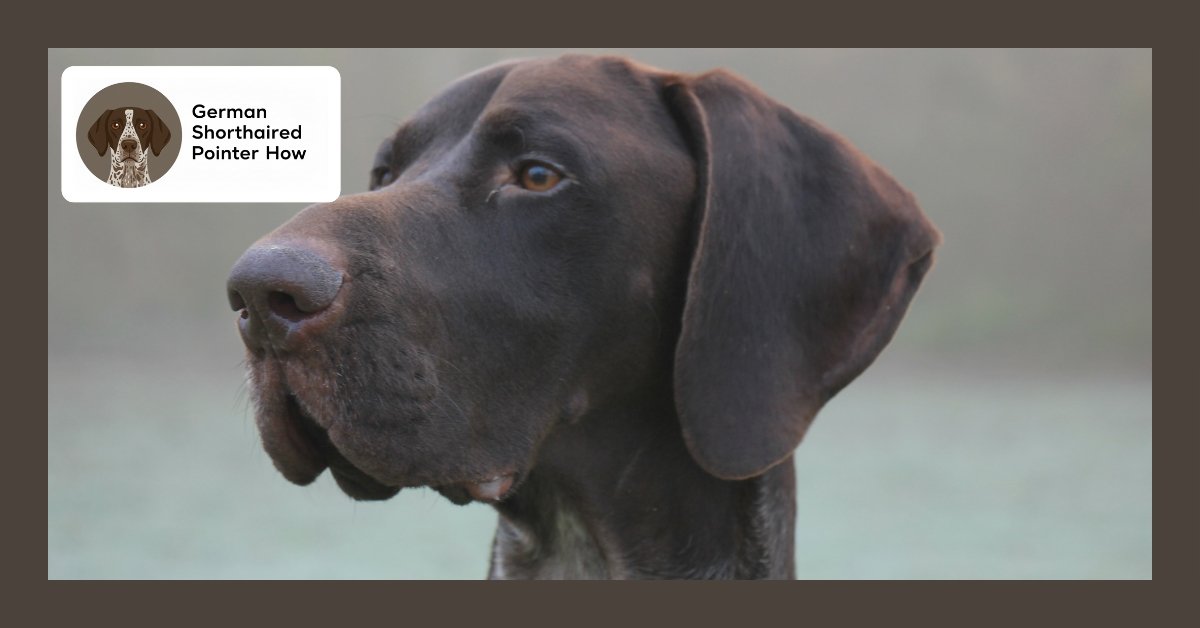
Does your German Shorthaired Pointer’s sudden growling leave you confused and concerned? You’re not alone – this intelligent, high-energy breed exhibits growling behavior more frequently than many owners expect, often catching families off guard.
Your German Shorthaired Pointer is growling because it’s communicating discomfort, establishing boundaries, or signaling that something in its environment feels threatening. Growling serves as a crucial warning system that prevents escalation to more aggressive behaviors like snapping or biting.
Understanding the root causes behind your GSP’s growling is essential for maintaining a safe, harmonious household. From resource guarding and pain-related issues to developmental changes and environmental stressors, multiple factors can trigger this vocal warning. According to recent canine behavior research, addressing growling promptly through proper identification and intervention protects both your family and strengthens your bond with your GSP.
Understanding German Shorthaired Pointer Communication
German Shorthaired Pointers communicate through a complex system of body language, vocalizations, and behavioral cues. Growling represents one of their most important warning signals, functioning as a canine way of saying “please back off” before the situation escalates.
Unlike aggressive breeds that may skip warning signs, GSPs typically provide clear communication signals. This breed’s sensitivity and intelligence mean they often growl to establish boundaries rather than immediately resorting to physical confrontation. Similar vocal communication challenges can manifest as excessive barking behaviors that also require understanding and proper management.
Recognizing growling as communication rather than defiance helps owners respond appropriately. Punishing or suppressing growling removes this vital warning system, potentially leading to unpredictable aggressive outbursts without prior notice.
7 Primary Reasons Why German Shorthaired Pointers Growl
1. Resource Guarding Behavior
Resource guarding stands as the most common trigger for GSP growling. This behavior involves protecting valuable items like food bowls, favorite toys, sleeping spots, or even family members from perceived threats.
Signs of resource guarding include:
- Stiffening over food bowls or treats
- Blocking access to favorite resting areas
- Growling when approached while holding toys
- Tense body posture around valued items
2. Pain or Medical Discomfort
Veterinary professionals report increasing cases of GSP growling linked to underlying health issues. Athletic breeds like German Shorthaired Pointers frequently develop joint problems, hip dysplasia, or muscle soreness that triggers defensive growling when touched.
Pain-related growling often occurs when:
- Touching specific body areas
- Lifting or moving the dog
- During grooming or handling
- When getting up from rest
3. Sleep Startle Response
German Shorthaired Pointers can exhibit startled growling when awakened suddenly. This natural protective response occurs because the dog hasn’t fully processed its surroundings upon waking.
4. Territorial Protection
GSPs possess strong protective instincts that can manifest as growling toward strangers, delivery personnel, or other dogs entering their perceived territory. This behavior intensifies around homes, yards, or vehicles the dog considers its domain.
5. Fear and Anxiety Triggers
Anxious German Shorthaired Pointers may growl when confronted with unfamiliar situations, loud noises, or overwhelming environments. Their sensitive nature makes them particularly susceptible to stress-induced growling.
6. Adolescent Behavioral Changes
Behavioral maturity spikes commonly occur in GSPs around 18-24 months of age. During this developmental phase, dogs may test boundaries through growling or other assertive behaviors as they establish their place in the family hierarchy.
7. Overstimulation or Excitement
High-energy GSPs sometimes growl during intense play sessions or when overly excited. This vocalization differs from aggressive growling and typically accompanies play bows, tail wagging, and loose body language. Providing appropriate structured playtime activities can help channel this energy constructively.
How to Identify the Cause of Your GSP’s Growling
Determining why your German Shorthaired Pointer is growling requires careful observation of triggers, timing, and accompanying body language. Follow this systematic approach to identify the underlying cause:
- Document incidents: Record when, where, and what triggered each growling episode
- Observe body language: Note ear position, tail carriage, and overall posture during growling
- Identify patterns: Look for consistent triggers or environmental factors
- Rule out medical issues: Schedule a veterinary examination to eliminate pain-related causes
- Assess environmental changes: Consider recent household changes, new pets, or schedule modifications
Comparison of Growling Types in German Shorthaired Pointers
| Growling Type | Body Language | Common Triggers | Intervention Needed |
|---|---|---|---|
| Resource Guarding | Stiff posture, wide eyes | Food, toys, resting spots | Professional training |
| Pain-Related | Hunched position, reluctance to move | Touching, handling, movement | Veterinary examination |
| Fear-Based | Cowering, tail tucked | Strangers, loud noises | Desensitization training |
| Play Growling | Relaxed, play bow | Excitement, games | Monitor for escalation |
Safe Response Strategies When Your GSP Growls
How you respond to your German Shorthaired Pointer’s growling significantly impacts future behavior and your safety. Never punish or suppress growling, as this removes the warning system and increases bite risk.
Immediate Response Steps
When your GSP growls, follow these safety protocols:
- Stop your current action immediately
- Avoid direct eye contact or confrontational postures
- Give your dog space to decompress
- Remove triggers if safely possible
- Wait for your dog to relax before attempting interaction
Long-term Management Approaches
Successful growling management requires addressing underlying causes through positive reinforcement training, environmental modifications, and professional guidance when needed.
Desensitization and counter-conditioning represent the gold standard for modifying resource guarding and anxiety-based growling. These techniques gradually expose dogs to triggers while creating positive associations through treats and praise.
When to Seek Professional Help
Contact a qualified canine behaviorist or veterinary professional when growling occurs frequently, escalates in intensity, or accompanies other concerning behaviors like snapping or prolonged staring.
Professional intervention becomes essential for:
- Growling toward children or family members
- Resource guarding around food or high-value items
- Aggressive responses to handling or grooming
- Territorial behavior toward visitors
Working with experienced trainers familiar with German Shorthaired Pointer temperament ensures effective, breed-appropriate interventions that address your dog’s specific needs.
Prevention Strategies for GSP Growling
Preventing growling behaviors requires proactive management of your German Shorthaired Pointer’s environment, health, and training from an early age.
Environmental Management
Create a structured environment that minimizes stress and provides clear boundaries. Establish consistent routines for feeding, exercise, and rest to reduce anxiety-triggered growling.
Socialization and Training
Early socialization helps German Shorthaired Pointers develop confidence and appropriate responses to various stimuli. Expose puppies to different people, animals, and environments while they’re most receptive to new experiences. Building strong scent tracking foundations through proper training techniques can also provide mental stimulation that reduces behavioral problems.
Regular training sessions reinforce positive behaviors and establish clear communication between you and your GSP. Focus on impulse control exercises and “leave it” commands to prevent resource guarding development.
Understanding why your German Shorthaired Pointer is growling empowers you to respond appropriately and address underlying issues effectively. Remember that growling serves as valuable communication that protects both you and your dog when properly interpreted. Whether stemming from medical discomfort, resource guarding, or developmental changes, most growling behaviors can be successfully managed through patient training, environmental modifications, and professional guidance when needed. By respecting your GSP’s warning signals and addressing root causes, you’ll build a stronger, safer relationship with your intelligent companion.
Frequently Asked Questions
Is it normal for German Shorthaired Pointers to growl?
Yes, growling is normal canine communication for German Shorthaired Pointers. This breed uses growling to establish boundaries, communicate discomfort, or signal that they need space. However, frequent or intense growling requires attention to identify and address underlying causes.
Should I punish my German Shorthaired Pointer for growling?
Never punish your GSP for growling. Punishment suppresses this important warning signal, potentially leading to unpredictable aggression without prior notice. Instead, identify the trigger and address the underlying cause through positive training methods and environmental management.
How can I tell if my GSP’s growling is serious?
Serious growling typically involves stiff body posture, fixed staring, raised hackles, and a low, rumbling tone. Playful growling occurs with relaxed body language, play bows, and loose movements. Context and body language help distinguish between warning growls and normal vocalization.
Can medical issues cause German Shorthaired Pointers to growl?
Yes, pain or discomfort frequently triggers defensive growling in GSPs. Joint problems, hip dysplasia, muscle soreness, or other medical conditions can cause dogs to growl when touched or handled. Always rule out medical causes with a veterinary examination before addressing behavioral issues. Regular dental health maintenance is also important, as oral pain can contribute to defensive behaviors.
At what age do German Shorthaired Pointers start showing territorial growling?
Territorial growling often emerges during adolescence, typically between 12-24 months of age. This coincides with sexual maturity and the development of protective instincts. Early socialization and consistent training help manage territorial behaviors as they develop.
How long does it take to stop resource guarding growling in GSPs?
Resource guarding modification typically requires 4-8 weeks of consistent training, depending on the severity and duration of the behavior. Success depends on early intervention, proper technique implementation, and addressing any underlying anxiety or insecurity contributing to the guarding behavior.
Can German Shorthaired Pointer growling escalate to biting?
Growling serves as a warning that may escalate to snapping or biting if the trigger isn’t removed or the situation continues. However, most GSPs prefer to communicate through growling rather than physical aggression. Respecting growling and addressing causes prevents escalation to more serious behaviors.