
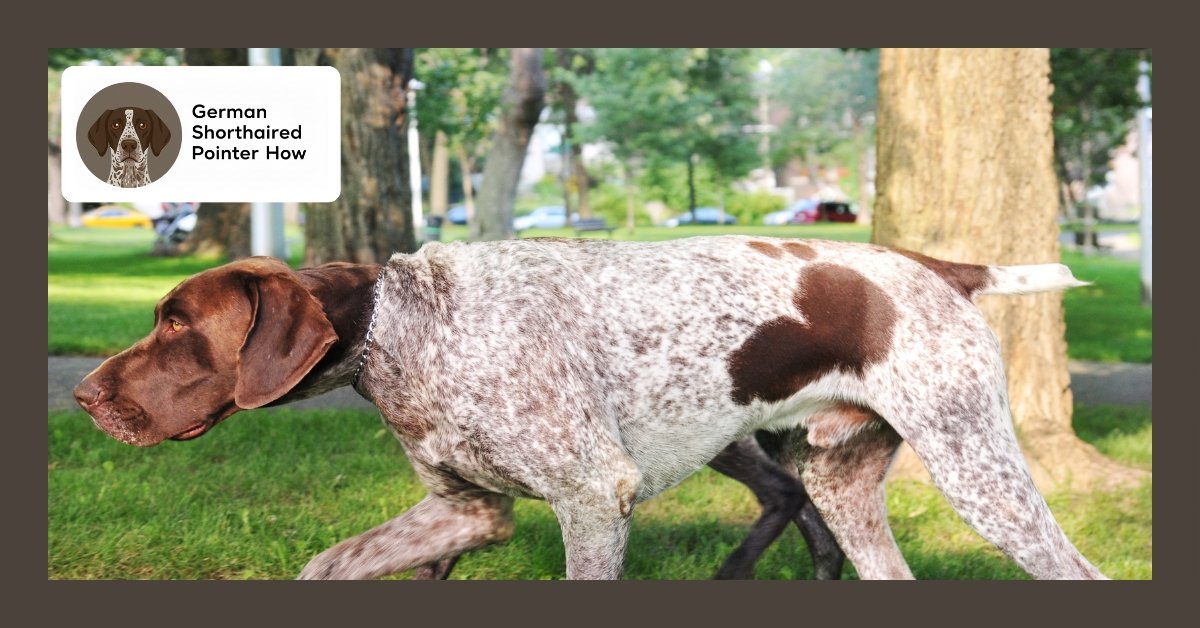
Are you wondering if your German Shorthaired Pointer could be causing your sneezing fits, or if your beloved GSP is suffering from mysterious skin irritations? You’re not alone in this concern, as allergies involving these athletic hunting dogs affect both owners and the dogs themselves in surprisingly common ways.
German Shorthaired Pointer allergies stem from multiple sources including dander, saliva proteins, and environmental allergens, affecting both human family members and the dogs themselves through year-round moderate shedding and breed-specific sensitivities.
The reality about German Shorthaired Pointers and allergies is more complex than many owners realize. While these energetic companions make wonderful family pets, understanding and managing allergy-related challenges is crucial for maintaining a healthy household. According to recent veterinary research from allergy specialists, GSPs are definitively not hypoallergenic and require specific management strategies for optimal family harmony.
Are German Shorthaired Pointers Hypoallergenic?
German Shorthaired Pointers are not hypoallergenic dogs. Despite their short coat, these active hunting dogs shed moderately throughout the year, with increased shedding during seasonal transitions.
Their shedding releases several allergens into your home environment:
- Dander – microscopic skin flakes that become airborne
- Saliva proteins – transferred through licking and grooming
- Environmental allergens – pollen and outdoor substances caught in their coat
The moderate shedding pattern means allergen exposure remains consistent year-round, making GSPs unsuitable for households with severe dog allergies.
Common Allergy Symptoms in German Shorthaired Pointer Owners
Human allergic reactions to German Shorthaired Pointers typically manifest within minutes to hours of exposure. Recognition of these symptoms helps owners take appropriate action quickly.
Respiratory Symptoms
- Persistent sneezing and runny nose
- Nasal congestion and postnasal drip
- Coughing and throat irritation
- Wheezing or shortness of breath
Skin and Eye Reactions
- Itchy, watery, or red eyes
- Skin rashes or hives after contact
- Eczema flare-ups in sensitive individuals
Emergency Warning Signs
Severe allergic reactions require immediate medical attention. Watch for breathing difficulties, facial swelling, rapid heartbeat, vomiting, or collapse – these indicate anaphylaxis and need emergency intervention.
German Shorthaired Pointer Allergy Triggers and Health Issues
GSPs themselves frequently suffer from various allergies that impact their quality of life. Understanding these breed-specific sensitivities helps owners provide better care.
Environmental Allergies
German Shorthaired Pointers commonly react to outdoor allergens due to their active hunting heritage. Pollen, grass, dust mites, and mold spores frequently trigger reactions.
Food Sensitivities
These athletic dogs often develop sensitivities to common protein sources. Chicken, beef, wheat, and corn are frequent culprits causing digestive upset and skin problems.
| Allergy Type | Common Triggers | Primary Symptoms |
|---|---|---|
| Environmental | Pollen, dust, mold | Itching, ear infections |
| Food | Chicken, beef, grains | Digestive upset, skin irritation |
| Contact | Cleaning products, fabrics | Localized skin reactions |
How to Treat German Shorthaired Pointer Allergies
Effective allergy management requires a comprehensive approach addressing both immediate symptoms and long-term prevention strategies.
Medical Treatment Options
- Antihistamines – First-line treatment for mild to moderate reactions
- Corticosteroids – Prescription medications for severe inflammatory responses
- Immunotherapy – Long-term treatment for persistent allergies
- Medicated shampoos – Topical relief for skin irritations
Natural and Supplemental Approaches
Many GSP owners successfully incorporate natural remedies alongside conventional treatments. Omega-3 fatty acid supplementation shows promising anti-inflammatory effects for skin health.
Popular natural options include:
- Quercetin – Natural antihistamine properties
- Apple cider vinegar – pH balancing for skin health
- Colostrum supplements – Immune system support
Prevention and Management Strategies
Proactive management significantly reduces allergy impact for both German Shorthaired Pointers and their human families.
Home Environment Modifications
Creating an allergy-friendly home environment requires consistent effort but delivers substantial relief:
- Install HEPA air purifiers in main living areas and bedrooms
- Establish pet-free zones, especially in bedrooms and on furniture
- Vacuum frequently using HEPA-filter equipped machines
- Wash bedding weekly in hot water to eliminate allergens
Grooming and Hygiene Protocol
Regular grooming dramatically reduces allergen accumulation. Weekly brushing outdoors prevents dander from spreading indoors, while monthly baths with hypoallergenic shampoos minimize skin irritants.
Essential grooming steps include:
- Daily brushing during shedding seasons
- Weekly ear cleaning to prevent infections
- Prompt paw washing after outdoor activities
- Regular nail trimming to reduce scratching damage
Dietary Management
Nutritional approaches play a crucial role in managing German Shorthaired Pointer allergies. Single-protein diets help identify food triggers, while hypoallergenic formulas reduce inflammatory responses.
Consider transitioning to limited ingredient diets featuring novel proteins like duck, venison, or fish. Raw diet advocates report improved skin conditions, though veterinary guidance ensures nutritional completeness.
When to Seek Professional Help
Certain situations require immediate veterinary or medical attention. Persistent symptoms despite home management efforts indicate the need for professional intervention.
Contact your veterinarian if your GSP experiences:
- Chronic ear infections lasting more than a week
- Severe scratching causing open wounds
- Gastrointestinal symptoms persisting beyond 48 hours
- Respiratory distress or excessive panting
For human family members, seek medical care for persistent respiratory symptoms, severe skin reactions, or any signs of anaphylaxis.
Managing German Shorthaired Pointer allergies successfully requires understanding the breed’s specific challenges, implementing comprehensive prevention strategies, and maintaining consistent care routines. While GSPs are not hypoallergenic, proper management allows most families to enjoy life with these remarkable dogs. The key lies in early recognition, proactive treatment, and creating an environment that minimizes allergen exposure for everyone in the household. For those seeking additional support, consider exploring German Shorthaired Pointer rescue organizations for breed-specific guidance and community support.
Frequently Asked Questions
Do German Shorthaired Pointers shed a lot?
German Shorthaired Pointers shed moderately year-round with heavier shedding during spring and fall seasonal changes. Their short coat releases dander and loose hair consistently, requiring regular grooming to manage allergen levels in the home environment.
What are the most common food allergies in German Shorthaired Pointers?
Common food allergens for GSPs include chicken, beef, wheat, corn, and soy. These proteins frequently trigger digestive upset, skin irritations, and ear infections. Limited ingredient diets with novel proteins help identify specific triggers.
Can you reduce allergens from German Shorthaired Pointers?
Yes, regular grooming, HEPA air filtration, frequent vacuuming, and establishing pet-free zones significantly reduce allergen levels. Weekly brushing and monthly baths with hypoallergenic products minimize dander production and environmental allergen accumulation.
How do you treat ear infections in German Shorthaired Pointers?
Treat GSP ear infections with veterinary-prescribed medications, regular cleaning solutions, and addressing underlying allergies. Weekly ear cleaning, dietary modifications, and environmental allergen reduction prevent recurrent infections common in this breed. For comprehensive guidance on maintaining your GSP’s oral health as part of overall wellness, explore our German Shorthaired Pointer dental care tips.
Are there hypoallergenic alternatives to German Shorthaired Pointers?
Poodles, Portuguese Water Dogs, and Xoloitzcuintlis offer similar intelligence and trainability with reduced allergen production. However, no dog breed is completely hypoallergenic, and individual reactions vary significantly among allergy sufferers.
What supplements help with German Shorthaired Pointer skin allergies?
Omega-3 fatty acids, quercetin, and probiotics support skin health and reduce inflammatory responses. Consult your veterinarian before starting supplements, as dosage and quality matter significantly for therapeutic benefits in managing allergic reactions.
How long do German Shorthaired Pointer allergy symptoms last?
Acute allergic reactions typically resolve within 24-48 hours of allergen removal and appropriate treatment. Chronic allergies require ongoing management, with symptoms improving gradually over weeks to months with consistent intervention strategies. Managing stress through appropriate German Shorthaired Pointer playtime activities can also support overall immune health and reduce allergy-related behaviors.