
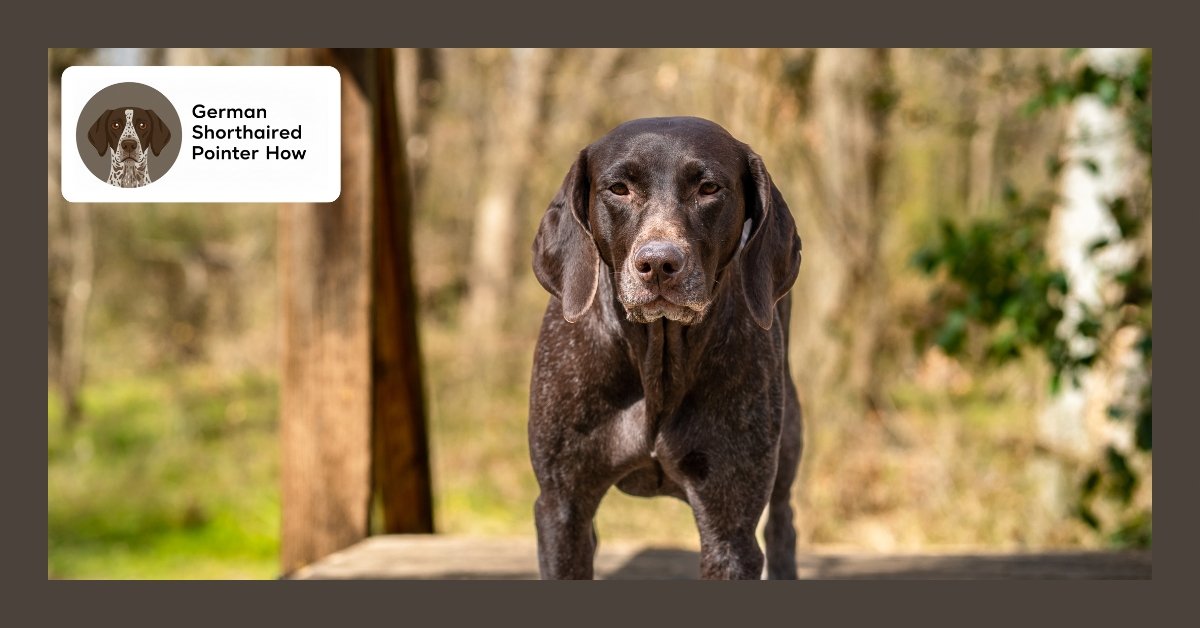
Did you know that German Shorthaired Pointer rescues are experiencing a surge in surrendered dogs that often outpaces foster home availability? This alarming trend has created an urgent need for more people to understand how these specialized organizations work and how they can help.
German Shorthaired Pointer rescue organizations are volunteer-driven, non-profit entities that specialize in saving, rehabilitating, and rehoming GSPs while providing lifetime support to adopters. These organizations remove dogs from owner relinquishments, shelters, abuse situations, and puppy mills.
Whether you’re considering adopting a GSP, want to foster, or simply support these amazing organizations, this comprehensive guide will walk you through everything you need to know about German Shorthaired Pointer rescue organizations and how they’re making a difference in countless dogs’ lives.
Understanding German Shorthaired Pointer Rescue Organizations
German Shorthaired Pointer rescue organizations operate as specialized sanctuaries for this high-energy sporting breed. Unlike general animal shelters, these rescues focus exclusively on GSPs and understand their unique needs.
The German Shorthaired Pointer Club of America (GSPCA) coordinates national efforts through a regional directory spanning almost all U.S. states. This ensures local expertise and support for both adopters and surrendered dogs.
Core Mission and Services
These organizations provide comprehensive services that extend far beyond simple rehoming:
- Rescue and rehabilitation of GSPs from various situations
- Foster-based care for thorough health and temperament evaluation
- Breed education for potential owners and the general public
- Lifetime support for adopters and their dogs
- Advocacy for responsible breeding and ownership
Current Challenges Facing GSP Rescue Organizations
Recent years have brought significant challenges to German Shorthaired Pointer rescue organizations. Understanding these obstacles helps potential supporters make more informed decisions about how to help.
Foster Home Shortage Crisis
The greatest limitation facing most GSP rescues is a critical shortage of foster homes. Organizations like Illinois Shorthair Rescue and California GSP Rescue report that this shortage directly impacts their ability to save more dogs.
Foster homes are essential because they allow for proper evaluation and rehabilitation before placement. Without adequate foster families, rescues must turn away dogs in need.
Seasonal Intake Surges
GSP rescues experience significant seasonal variations in intake numbers. “Puppy booms” and lifestyle shifts, particularly pandemic-related pet returns, create overwhelming demand for rescue services during certain periods.
| Challenge | Impact | Solution |
|---|---|---|
| Foster shortage | Limited rescue capacity | Community outreach and education |
| Seasonal surges | Overwhelming intake numbers | Regional partnerships and transport |
| Owner education gaps | High relinquishment rates | Pre-adoption counseling and support |
How to Find and Work With German Shorthaired Pointer Rescue Organizations
Finding the right GSP rescue organization requires understanding their processes and requirements. Most rescues follow similar adoption procedures designed to ensure successful matches.
Step-by-Step Adoption Process
- Application submission: Complete detailed questionnaires about your lifestyle, experience, and expectations
- Reference checks: Rescues verify your veterinary history and personal references
- Home visit: Volunteers assess your living situation and preparation
- Meet and greet: Interaction with potential dogs to assess compatibility
- Trial period: Many rescues offer trial adoptions to ensure good matches
- Final placement: Official adoption with ongoing support resources
Regional Rescue Networks
Several established regional networks provide coverage across multiple states:
- California GSP Rescue: Serves the West Coast with comprehensive rehabilitation programs
- Illinois Shorthair Rescue: Covers the Midwest with foster-based placement systems
- Southeast German Shorthaired Pointer Rescue: Operates across multiple Southeast states
- Great Plains Pointer Rescue: Focuses on Midwest regional challenges and solutions
Supporting German Shorthaired Pointer Rescue Organizations
You don’t need to adopt to make a significant impact on GSP rescue efforts. These organizations rely heavily on community support in various forms.
Fostering Opportunities
Foster families are desperately needed and provide the foundation for successful rescue operations. Most organizations provide all supplies and veterinary care, reducing barriers for participation.
Foster volunteers typically commit to caring for dogs for several weeks or months while they await permanent placement. This arrangement allows for proper behavioral assessment and basic training.
Financial Support Options
Donation opportunities often focus on critical operational needs:
- Medical expenses: Emergency surgeries, routine healthcare, and rehabilitation costs
- Transportation: Moving dogs between regions and to veterinary appointments
- Behavioral rehabilitation: Professional training for dogs with special needs
- Operational costs: Administrative expenses and volunteer support
Success Stories and Long-Term Support
German Shorthaired Pointer rescue organizations maintain impressive adoption success rates through their foster-based placement systems. Thorough vetting correlates with low return rates and high adopter satisfaction.
Many rescues now offer lifetime post-adoption counseling, reflecting a wider shift in animal welfare toward sustainable placements. This ongoing support helps address behavioral issues, training questions, and life changes that might otherwise lead to relinquishment.
Community Education Impact
Leading rescues actively manage social media and educational campaigns to connect with adopters and provide ongoing support networks. These efforts help prevent future relinquishments by educating owners about GSP energy levels, exercise requirements, and engaging activities that keep these high-energy dogs mentally stimulated.
Cross-regional partnerships, such as those facilitated by the Best Friends Animal Society network, allow rescues to pool resources, share best practices, and increase grant opportunities for improved outcomes.
Conclusion
German Shorthaired Pointer rescue organizations provide essential services that extend far beyond simple rehoming. These dedicated volunteers save lives, educate communities, and create lasting support networks for adopters and their dogs.
The current foster shortage crisis means that every person who gets involved makes a measurable difference. Whether through adoption, fostering, volunteering, or financial support, your contribution helps ensure that more GSPs find their forever homes.
By understanding how these German Shorthaired Pointer rescue organizations operate and what they need most, you can make informed decisions about how to support their vital mission of saving and rehoming this remarkable breed.
Frequently Asked Questions
What makes German Shorthaired Pointer rescue organizations different from regular shelters?
GSP rescue organizations specialize exclusively in this breed and understand their unique high-energy needs, exercise requirements, and behavioral characteristics. They provide breed-specific education, foster-based care, and lifetime support that general shelters typically cannot offer.
How long does the German Shorthaired Pointer adoption process typically take?
The adoption process usually takes 2-4 weeks from application to placement. This includes application review, reference checks, home visits, and meet-and-greet sessions. The timeline may vary based on the specific dog’s needs and your requirements.
Do I need previous experience with German Shorthaired Pointers to adopt from a rescue?
Previous GSP experience is helpful but not always required. Rescue organizations prioritize finding the right match based on your lifestyle, commitment level, and willingness to learn. They provide extensive education and support throughout the adoption process.
What are the typical costs associated with adopting from a GSP rescue organization?
Adoption fees typically range from $200-$500 and cover spaying/neutering, vaccinations, microchipping, and basic medical care. Some rescues may charge higher fees for dogs requiring extensive medical treatment or behavioral rehabilitation.
Can I foster a German Shorthaired Pointer if I live in an apartment?
Many rescues consider apartment dwellers for fostering, especially if you have access to exercise areas and can meet the dog’s physical activity needs. The key factors are your ability to provide adequate exercise, mental stimulation, and proper care.
How do German Shorthaired Pointer rescues handle dogs with behavioral issues?
Rescue organizations work with professional trainers and behaviorists to rehabilitate dogs with behavioral challenges. They often place these dogs in experienced foster homes where they can receive specialized training before being matched with appropriate adoptive families.
What ongoing support do German Shorthaired Pointer rescue organizations provide after adoption?
Most rescues offer lifetime support including training advice, behavioral consultation, and assistance with life changes that might affect your dog. Many maintain active support networks and will take dogs back if circumstances change, ensuring no dog becomes homeless again. For new adopters, understanding proper dental care routines is one important aspect of ongoing health maintenance that rescues often provide guidance on.