
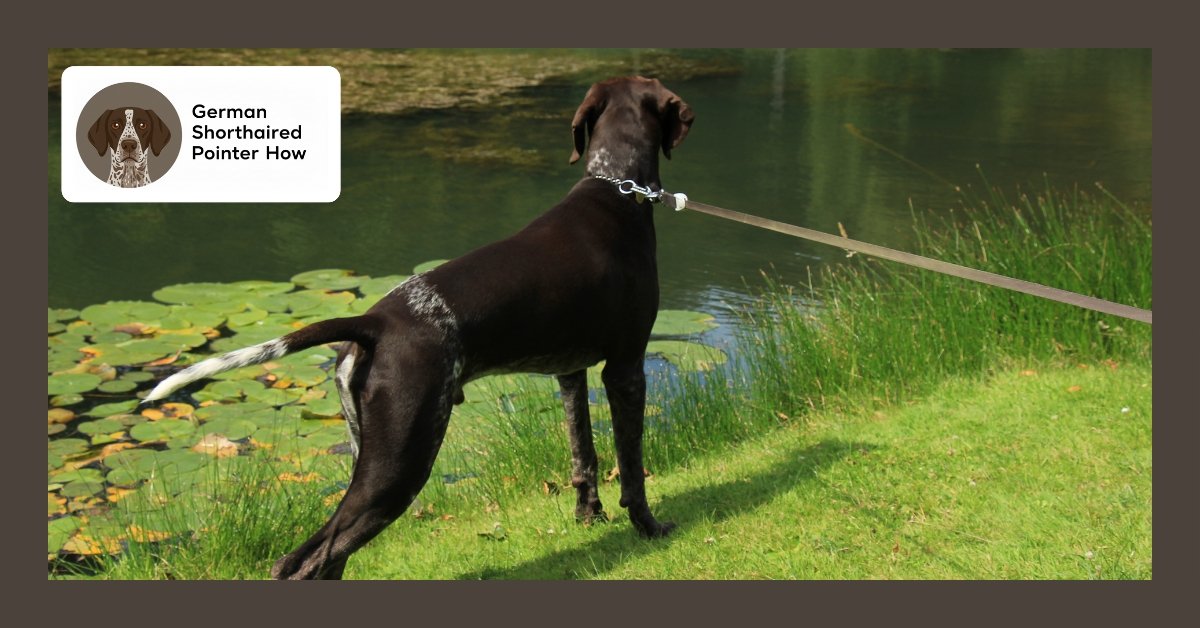
Does your German Shorthaired Pointer’s barking drive you and your neighbors to distraction? You’re not alone – this high-energy breed ranks among the most vocal hunting dogs, often barking 50% more than other sporting breeds.
German Shorthaired Pointer barking problems typically stem from excess energy, boredom, and unmet mental stimulation needs. The most effective solutions combine vigorous daily exercise (60-90 minutes), structured training routines, and engaging scent work activities tailored to their hunting instincts.
If you’re struggling with your Pointer’s excessive vocalization, understanding the root causes and implementing breed-specific strategies can transform your home from chaos to calm. According to the American Kennel Club, addressing barking requires targeting individual motivations rather than applying generic solutions.
Why German Shorthaired Pointers Bark Excessively
German Shorthaired Pointers were bred as versatile hunting companions, designed to work closely with humans while tracking game. This heritage creates specific behavioral patterns that manifest as barking when their needs aren’t met.
Energy Overflow and Boredom
These professional-class dogs require substantially more exercise than most breeds. Without adequate physical outlet, their pent-up energy transforms into vocal expression. A tired Pointer is typically a quiet Pointer.
Territorial and Alert Instincts
Their hunting background makes them naturally alert to environmental changes. They’ll bark at passing cars, visitors, or unusual sounds as part of their protective instincts.
Anxiety and Lack of Leadership
According to dog behaviorist David Codr, “German Shorthaired Pointers need clear rules, boundaries, and limits to help them see their guardians as authority figures.” Without this structure, anxiety-driven barking often develops.
Proven Exercise Solutions for German Shorthaired Pointer Barking Problems
Physical exhaustion remains the foundation of barking management for this breed. Here’s how to channel their energy productively:
High-Intensity Activities
- Running or jogging: 45-60 minutes daily at moderate to high intensity
- Dog parks: Allow social interaction and full-speed running
- Fetch sessions: 20-30 minutes with tennis balls or frisbees
- Swimming: Excellent low-impact, high-energy exercise option
Specialized Exercise for Pointers
Consider activities that engage their hunting instincts while providing physical challenges. Dog-skiing, agility courses, and organized field trials satisfy both their athletic needs and mental engagement requirements. For comprehensive playtime activities and engaging exercise ideas, explore structured games that challenge both mind and body.
Mental Stimulation Strategies
A mentally exhausted Pointer barks significantly less than a bored one. These activities target their intelligence and problem-solving abilities:
Scent Work and Nose Games
Hide treats around your home or yard, encouraging your Pointer to use their exceptional scenting abilities. Start with easy hiding spots and gradually increase difficulty. This taps into their natural hunting drive while providing mental exhaustion. For detailed techniques and progressive training methods, our German Shorthaired Pointer scent tracking training guide offers comprehensive strategies to develop these natural abilities.
Puzzle Toys and Food Dispensers
Interactive feeding toys force your dog to work for meals, extending eating time and providing mental stimulation. Rotate different puzzle types weekly to maintain interest.
Training Techniques That Stop Barking
Effective training for German Shorthaired Pointer barking problems requires consistency and positive reinforcement methods.
Teaching the “Quiet” Command
- Wait for your dog to bark naturally
- Say “quiet” in a calm, firm voice
- When they stop barking (even briefly), immediately reward with treats and praise
- Gradually extend the quiet period before rewarding
- Practice daily in 5-10 minute sessions
Impulse Control Training
Games like “wait at the door” teach patience and reduce reactive barking. Have your Pointer sit and wait before going outside, gradually extending the wait time.
Establishing Leadership and Structure
German Shorthaired Pointers thrive under clear leadership. Without it, they often assume decision-making roles, leading to increased barking as they attempt to manage their environment.
Daily Routine Implementation
Create predictable schedules for meals, exercise, and training. Consistent routines reduce anxiety and give your Pointer confidence in your leadership abilities.
Boundary Setting
Establish clear rules about when and where barking is acceptable. For example, allow alert barking for genuine threats but immediately redirect attention barking at passing pedestrians.
Comparison: Effective vs. Ineffective Barking Solutions
| Effective Methods | Ineffective Methods | Results Timeline |
|---|---|---|
| Vigorous daily exercise + training | Punishment-based corrections | 2-4 weeks |
| Mental stimulation activities | Ignoring the behavior completely | 1-3 weeks |
| Positive reinforcement training | Shock collars or harsh corrections | 3-6 weeks |
| Structured leadership routines | Inconsistent responses | 4-8 weeks |
Case Study: Real-World Success
Osborne, a two-year-old German Shorthaired Pointer, exhibited excessive barking that disrupted his household. His owner implemented a comprehensive program including intense daily exercise, structured rules, and nosework games.
Within three weeks, Osborne’s barking decreased by approximately 70%. The key factors in his success were consistent exercise routines, clear leadership establishment, and mental stimulation through scent work activities.
Urban Living Solutions
City-dwelling Pointer owners face unique challenges in managing barking behavior. Limited space and close neighbors require specialized approaches.
Apartment-Friendly Exercise
- Multiple daily walks (4-5 shorter sessions)
- Stair climbing exercises in buildings
- Indoor fetch in long hallways
- Doggy daycare for social exercise
Noise Management
Consider white noise machines or calming music to mask external triggers that prompt barking. Window film can reduce visual stimuli without blocking natural light.
When to Seek Professional Help
Some barking problems require expert intervention. Contact a certified dog behaviorist or trainer if barking persists despite consistent effort, or if it’s accompanied by aggressive behaviors.
The AKC’s GoodDog Helpline offers remote consultations specifically for behavioral issues, providing breed-specific guidance for German Shorthaired Pointer owners.
Managing German Shorthaired Pointer barking problems requires understanding their unique needs as high-energy, intelligent hunting dogs. Success comes through combining vigorous exercise, mental stimulation, and consistent training rather than quick fixes. Remember that addressing the root causes of excess energy and boredom will always prove more effective than simply trying to silence the symptoms. Maintaining your Pointer’s overall health, including proper dental care and wellness routines, supports behavioral stability and reduces stress-related barking. With patience and the right approach, you can enjoy the loyal companionship of your Pointer without the constant noise disruption.
Frequently Asked Questions
How much exercise does a German Shorthaired Pointer need to reduce barking?
German Shorthaired Pointers require 60-90 minutes of vigorous exercise daily to manage barking effectively. This should include high-intensity activities like running, swimming, or fetch rather than just casual walks. Mental stimulation through scent work adds another 15-20 minutes of equivalent exercise value.
Why does my German Shorthaired Pointer bark more at night?
Nighttime barking often indicates insufficient daytime exercise or mental stimulation. Pointers may also bark at sounds they can hear but not see, triggering their alert instincts. Ensure adequate daily exercise and consider white noise to mask external sounds that prompt barking episodes.
Can German Shorthaired Pointer barking be completely eliminated?
Complete elimination of barking isn’t realistic or healthy for German Shorthaired Pointers, as vocalization is natural communication. However, excessive barking can be reduced by 70-80% through proper exercise, training, and mental stimulation. Focus on managing frequency and duration rather than complete silence.
What mental stimulation works best for reducing German Shorthaired Pointer barking?
Scent work and nose games provide the most effective mental stimulation for this breed. Hide treats around your home, use puzzle feeders, and rotate different interactive toys weekly. These activities tire their minds while satisfying their hunting instincts, typically reducing barking within 2-3 weeks.
How long does it take to see results from barking training?
Most owners notice initial improvements within 2-3 weeks of consistent training and exercise routines. Significant barking reduction typically occurs within 4-6 weeks. However, results depend on the dog’s age, the severity of the barking problem, and consistency in applying training methods.
Should I use bark collars for German Shorthaired Pointer barking problems?
Bark collars are not recommended for German Shorthaired Pointers, as they don’t address underlying causes like excess energy or boredom. Positive reinforcement training combined with adequate exercise proves more effective long-term. Punishment-based methods may increase anxiety and worsen barking behaviors.
What’s the difference between normal and excessive barking in German Shorthaired Pointers?
Normal barking includes brief alert barking at visitors or unusual sounds, lasting 1-2 minutes maximum. Excessive barking continues for extended periods, occurs without clear triggers, or happens continuously throughout the day. If barking disrupts daily life or neighbor relationships, it’s likely excessive and requires intervention.